Canada Faces a Significant Week for Pipeline Politics
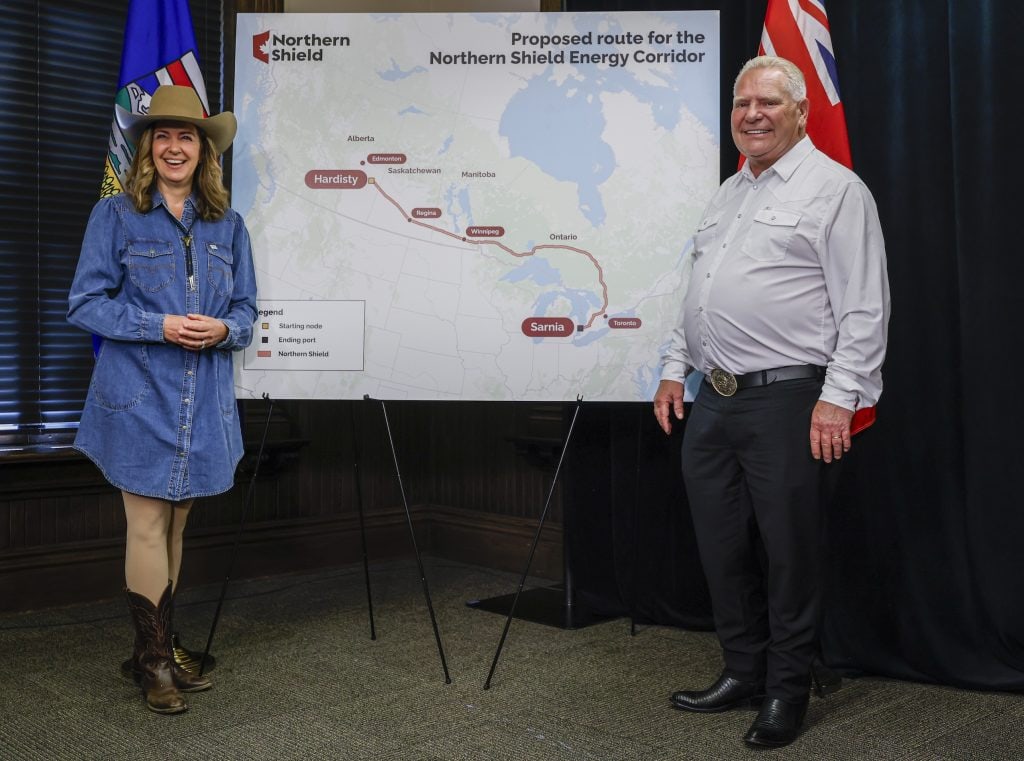
This week has been a very busy time for energy politics in Canada. Pipelines, which carry oil and gas across the country, are often at the center of national debates. For many Canadians, these projects represent a difficult balance between growing the economy and protecting the environment.
One of the biggest projects currently in the news is the Trans Mountain pipeline expansion. This project aims to move more oil from Alberta to the coast of British Columbia so it can be sold to international markets. Although the project is nearly finished, it has faced many challenges, including rising costs and technical delays that have caught the attention of taxpayers.
At the same time, environmental groups and some Indigenous communities continue to voice their concerns. They argue that building more pipelines could lead to higher carbon emissions and potential oil spills. These groups believe that Canada should focus more on renewable energy instead of expanding fossil fuel infrastructure.
On the other side of the debate, the Canadian government and energy companies argue that pipelines are essential. They say these projects provide thousands of jobs and help the country remain a leader in the global energy market. They also suggest that modern pipelines are safer and more efficient than moving oil by train.
As these projects move forward, the discussion about Canada's energy future remains divided. Decisions made this week will likely affect the country’s climate goals and economic health for many years to come. For now, Canadians are watching closely to see how the government will handle these competing interests.