Evaluating Canada's Response to Increasing Wildfire Challenges
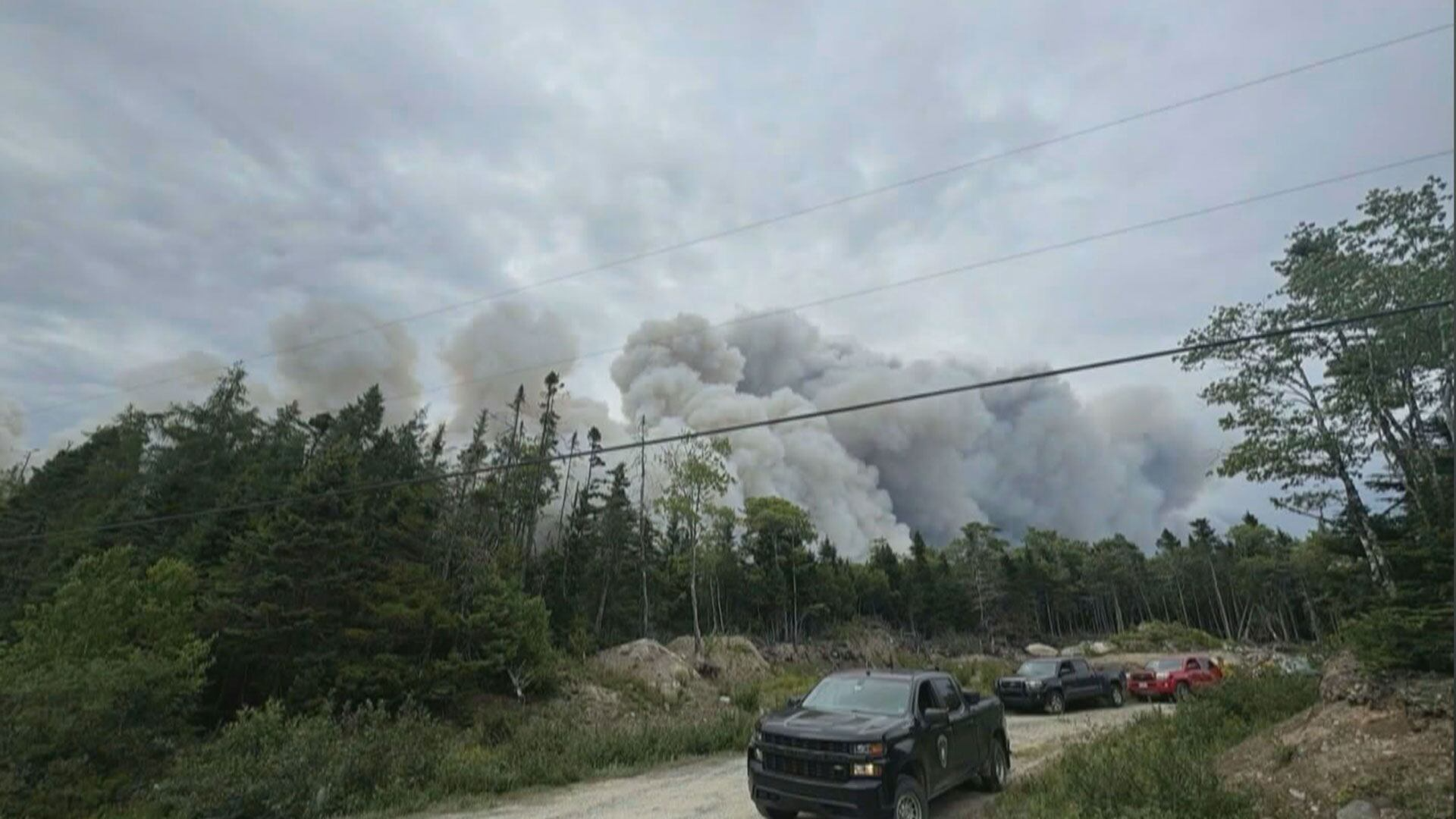
As Canada continues to face more intense wildfire seasons, experts are closely examining the country’s current emergency management policies. Recent discussions have focused on whether the existing strategies are sufficient to protect communities and manage the environmental impact of these fires.
One of the main points of debate involves the smoke produced by these wildfires. In recent years, thick smoke has traveled across large parts of Canada and into the United States, causing concerns about air quality and public health. Critics have questioned whether the government’s response to these smoke patterns has been effective or if changes are needed to better inform the public.
Journalists and policy analysts are now working to separate political arguments from scientific facts. The goal is to determine if the current wildfire management systems need significant improvements or if the challenges are simply a result of changing climate conditions that are difficult to control.
Looking ahead, the focus remains on how federal and provincial authorities can work together more efficiently. As the country prepares for future fire seasons, officials are under pressure to ensure that policies are based on clear data rather than political disagreements.
Ultimately, the conversation highlights the need for a balanced approach to disaster management. By reviewing the facts behind wildfire response and smoke movement, Canada aims to develop better strategies to keep citizens safe and informed in the coming years.