The Avro Arrow: Remembering Canada’s Ambitious Aviation Dream
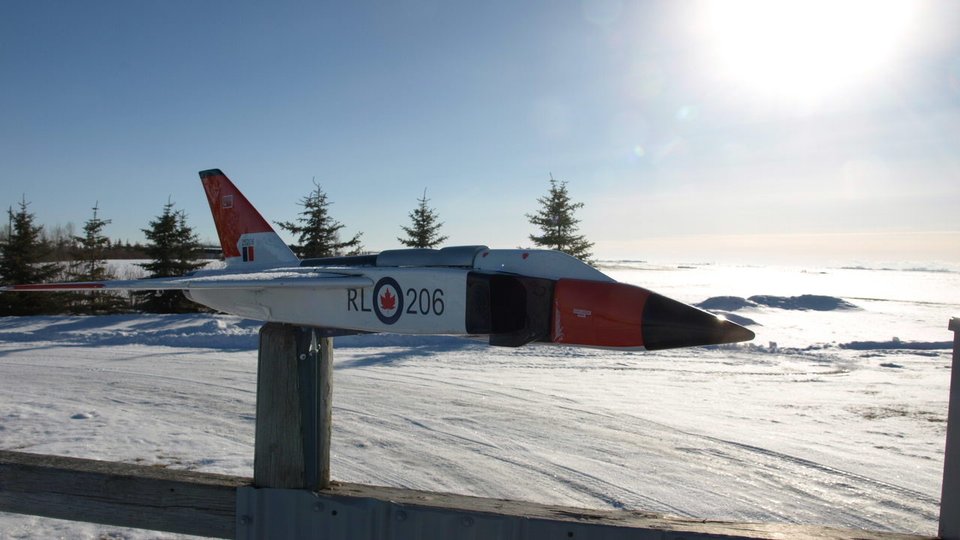
For many Canadians, the Avro Canada CF-105 Arrow remains one of the most significant symbols of national pride and technological ambition. Developed in the 1950s, the Arrow was a high-speed interceptor aircraft designed to defend North American airspace during the Cold War. It was built to fly at twice the speed of sound, or Mach 2, at an altitude of 50,000 feet, making it one of the most advanced jets of its time.
Engineers at Avro Canada worked for years to create a plane that would put the country at the forefront of global aerospace technology. The aircraft featured a unique delta-wing design and powerful engines that impressed experts around the world. At the height of the project, thousands of skilled workers were employed in the Greater Toronto Area, helping to build a future where Canada would be a leader in military aviation.
However, the project faced serious challenges as costs began to rise significantly. By the late 1950s, the Canadian government became concerned about the high price of the program and the changing nature of military threats. Officials argued that the rise of long-range missiles made manned interceptor aircraft less necessary for national defense.
On February 20, 1959—a date now known in Canadian history as 'Black Friday'—the government suddenly cancelled the Avro Arrow project. All existing aircraft were ordered to be destroyed, and thousands of highly skilled engineers and technicians lost their jobs. Many of these experts eventually moved to the United States to work for NASA and other major aerospace companies.
Today, the story of the Avro Arrow continues to fascinate Canadians. While the physical planes no longer exist, the project is remembered as a bold moment in Canadian history. It serves as a reminder of the country’s past potential in high-tech manufacturing and remains a popular subject in museums and historical discussions across the nation.