Canada’s Growing Grain Industry Faces Infrastructure Challenges
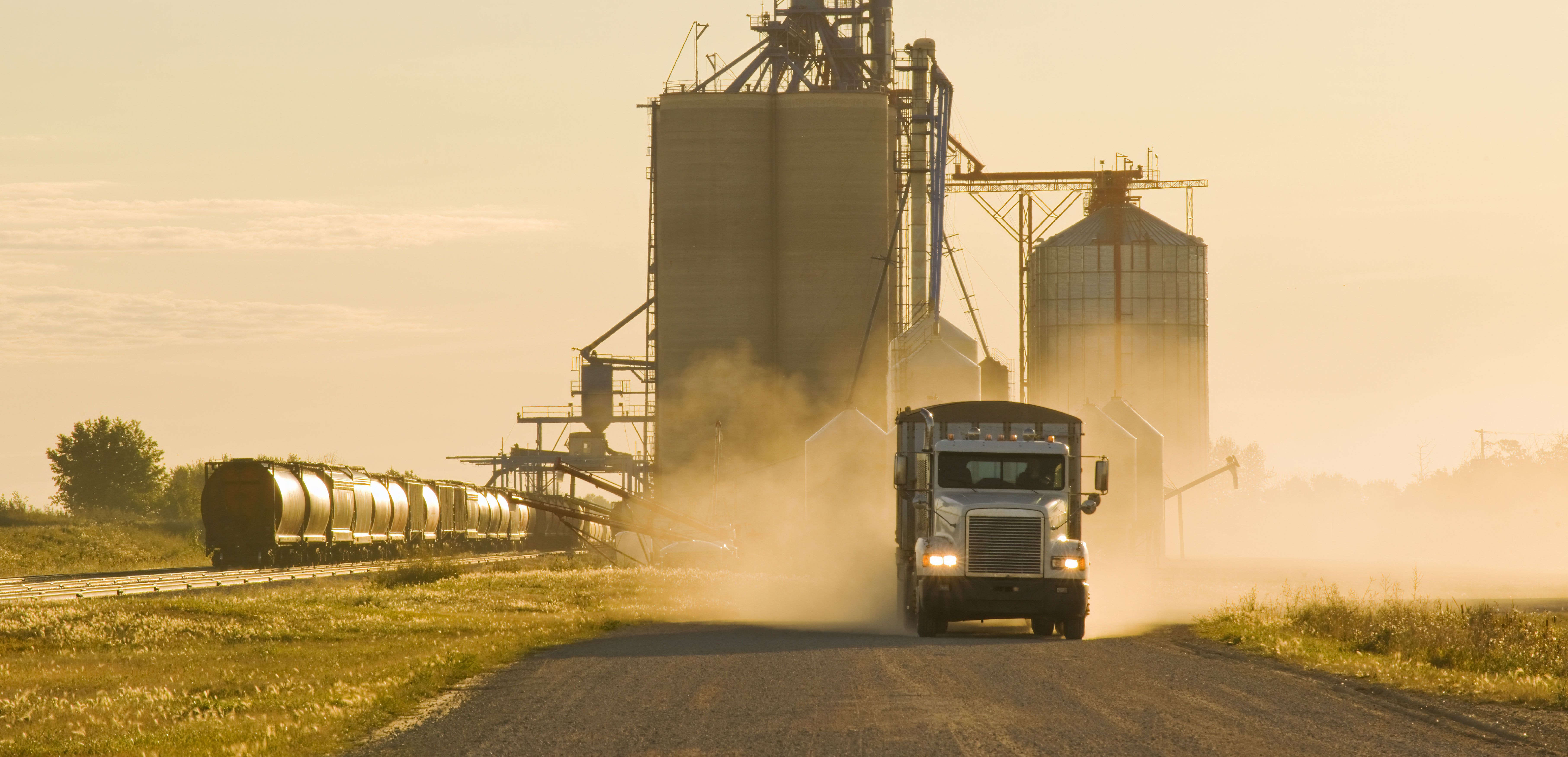
Canada’s agricultural sector is currently experiencing a period of significant growth. As the country produces more grain to meet global demand, the pressure on the national transportation system continues to increase. Experts are now questioning whether Canada's current infrastructure is prepared to support this expansion effectively.
Recent reports indicate that Canada faces a large infrastructure deficit, estimated to be between $110 billion and $270 billion. This gap includes a lack of sufficient investment in essential transportation networks, such as railways and seaports. These systems are vital for moving grain from farms across the Prairies to international markets.
If the infrastructure does not improve, the grain industry may face delays and higher costs. Railways and ports are the backbone of Canadian trade, and any bottleneck in these areas can slow down the entire supply chain. Industry leaders are calling for more funding to modernize these systems to ensure that Canadian products can reach global customers on time.
Addressing this infrastructure deficit is a complex task that requires cooperation between the government and private companies. While the growth of the grain industry is a positive sign for the Canadian economy, the long-term success of the sector depends on the ability to transport goods efficiently. Future investments in rail and port capacity will be essential to keeping Canada competitive in the global market.