Home Security Systems Raise Concerns Over Racial Bias in Technology
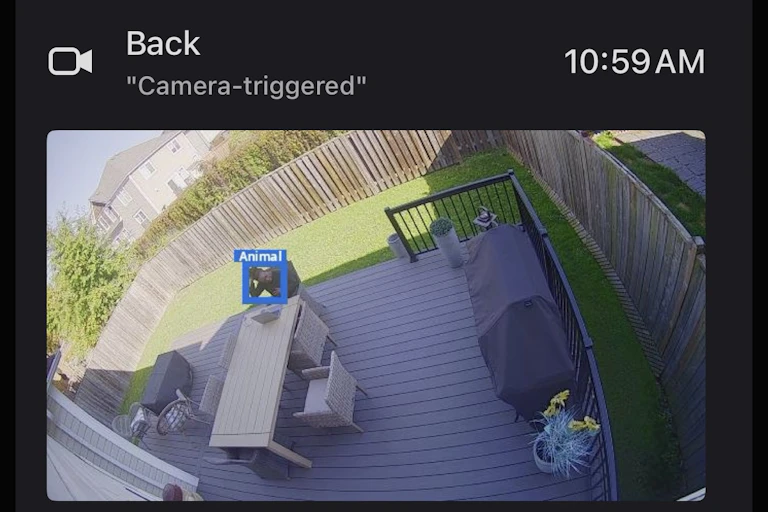
A recent report has highlighted significant concerns regarding racial bias in modern home security technology. A Black woman shared her personal experience of being incorrectly identified as an animal by her own home security camera while sitting on her patio. This incident has sparked a wider conversation about the accuracy and fairness of facial recognition and object detection software used in residential security systems.
Experts explain that these security systems often rely on artificial intelligence (AI) to distinguish between humans, animals, and other objects. However, these AI models are trained on large datasets that may not be diverse enough. When the training data lacks representation, the technology can struggle to accurately identify people of different races, leading to errors that can be both frustrating and offensive.
For many Canadians who use smart home technology, this issue raises important questions about privacy and equality. As these devices become more common in Canadian households, there is growing pressure on technology companies to improve their algorithms. Critics argue that developers must be more responsible when building software that monitors human activity in private spaces.
In response to these concerns, some tech companies are promising to update their systems to be more inclusive. They are working to include more diverse images in their training data to reduce errors. As the industry continues to grow, the focus is shifting toward creating technology that is not only effective at keeping homes safe but also fair and respectful to all users.