The Avro Arrow: Remembering Canada’s Ambitious Aerospace Dream
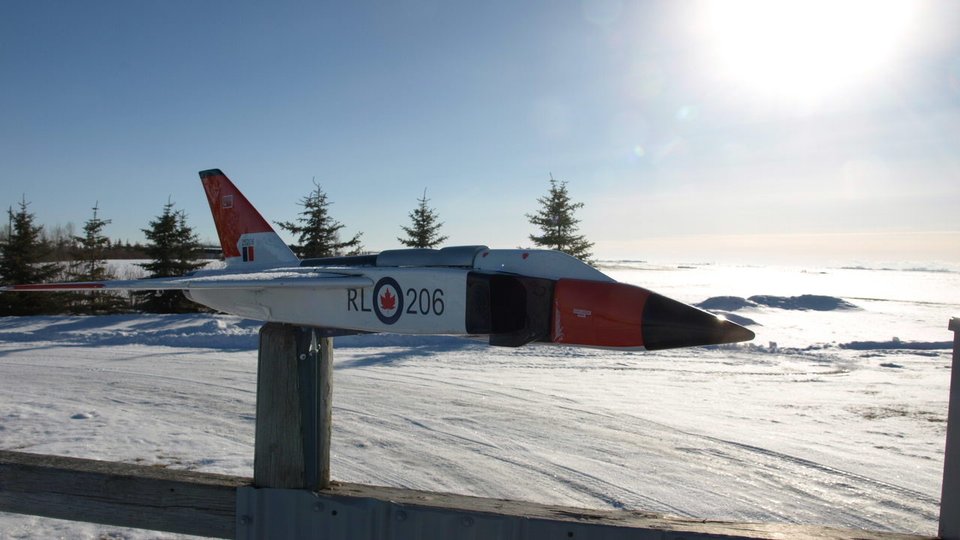
In the history of Canadian aviation, few projects are as famous or as debated as the Avro Arrow. Developed in the 1950s by Avro Canada, the CF-105 Arrow was a supersonic interceptor aircraft designed to protect North American airspace during the Cold War. It represented a major leap forward in technology, aiming to reach speeds of Mach 2.
At the time, the project was a symbol of Canadian innovation. The company had already successfully built the CF-100 Canuck and was working on the powerful Iroquois jet engine. The Arrow was intended to be the centerpiece of a complete, integrated national aerospace industry, proving that Canada could compete with the world’s leading military powers.
However, the project faced significant challenges. As development continued, the costs of the program increased rapidly. At the same time, the global military landscape was changing, with a new focus on long-range missiles rather than manned fighter jets. These factors created intense pressure on the government of the day.
In 1959, the Canadian government made the controversial decision to cancel the Avro Arrow project entirely. This decision led to the immediate destruction of the existing aircraft and blueprints, resulting in thousands of skilled engineers and workers losing their jobs. Many of these experts eventually moved to the United States to work for organizations like NASA.
Today, the Avro Arrow remains a significant part of Canada’s cultural identity. While the program ended abruptly, it is still remembered by many as a symbol of what Canadian engineers and scientists were capable of achieving. It stands as a reminder of the complex relationship between national ambition, technology, and political decision-making.