Public Health Alert: First West Nile Virus Case Confirmed in Ontario
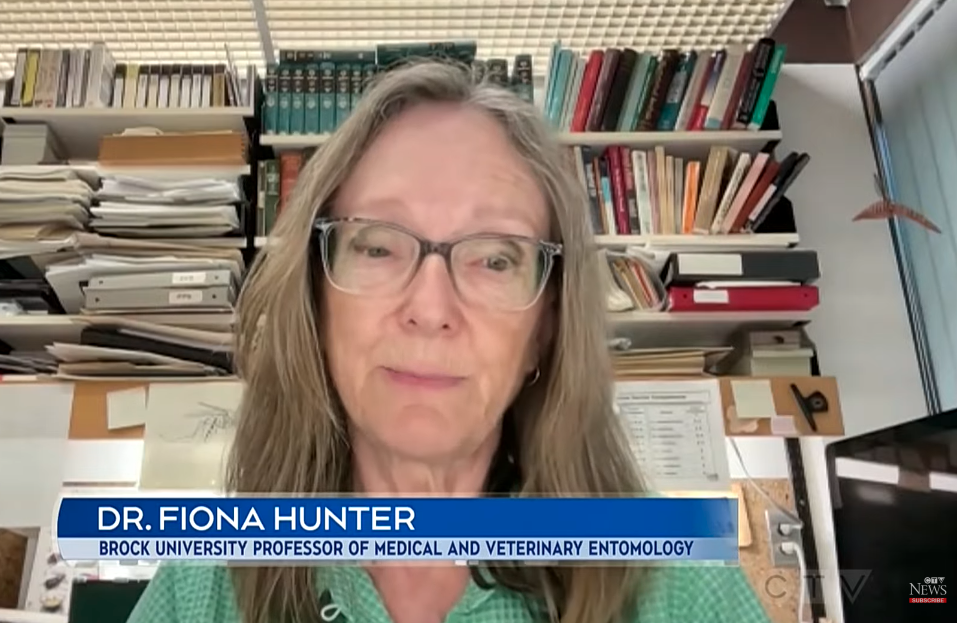
Health officials in Ontario have officially confirmed the first human case of the West Nile virus in the region this year. The virus is primarily spread to humans through the bite of an infected mosquito. As summer temperatures remain high, public health experts are urging residents to take extra precautions to avoid mosquito bites.
To reduce the risk of infection, health authorities recommend using insect repellent that contains DEET or icaridin when spending time outdoors. It is also advised to wear long-sleeved shirts and pants, especially during dawn and dusk when mosquitoes are most active. Removing standing water from properties, such as in bird baths or old tires, can also help prevent mosquitoes from breeding near homes.
In addition to health concerns, local researchers are examining other regional issues, including trends in student absenteeism at schools. Educators are working to understand why more students have been missing class recently and are looking for ways to improve attendance rates. Understanding these patterns is considered a priority for the upcoming academic term.
Finally, there is ongoing public discussion regarding the historical naming of Lake Ontario. Local historians and community groups are exploring the origins of the name and its significance to Indigenous peoples. This conversation is part of a broader effort to better recognize the history of the land and the waters across the province.
Residents are encouraged to stay updated on local health advisories and school board announcements. By staying informed and taking simple safety steps, the community can help manage these public health and social challenges effectively.