Astrosociology: What Studies of Analogue Astronauts Can Teach Us About Life in Space
Published
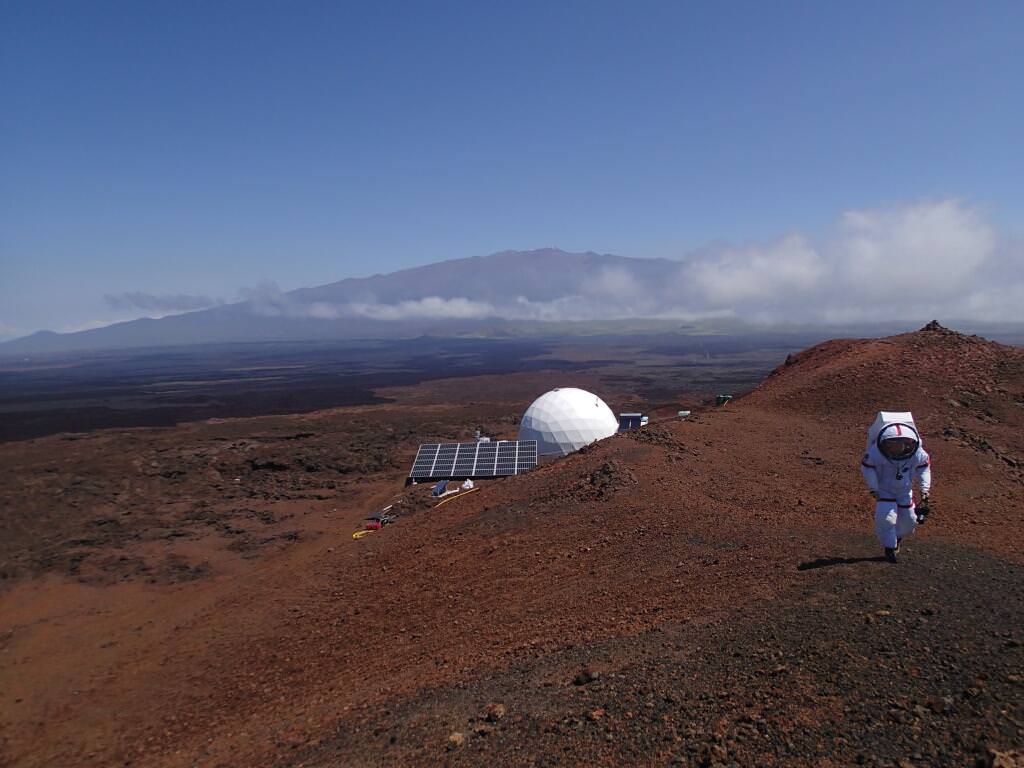
A new field called astrosociology is drawing attention from researchers who study how people live and work in space. Astrosociology is an umbrella term for looking at spaceflight through the lens of the social sciences, such as psychology, sociology, and anthropology. Instead of focusing only on rockets, equipment, and medicine, researchers ask how humans behave, communicate, and cooperate when they are far from home for long periods.
One important tool in this field is the analogue astronaut study. In these studies, volunteers spend weeks or months in isolated, confined environments on Earth, such as simulated spacecraft or remote research stations. Scientists watch how the group works together, how members handle stress, and how they manage daily routines with limited privacy and little contact with the outside world. Because these settings resemble some conditions of spaceflight, they allow researchers to test ideas safely and at a lower cost than real missions.
The lessons from this work could matter for future space missions. Long trips, such as a journey to Mars, would require crews to stay together for many months without quick help from Earth. Researchers hope that understanding teamwork, conflict, and mental health in these conditions will help space agencies choose crews, plan schedules, and support astronauts better. These findings may also be useful on Earth, for people who work in remote locations like Arctic research bases, where Canadians have long experience with isolation and extreme cold.
As space exploration moves toward longer missions and possibly permanent settlements, the human side of spaceflight is becoming more important. Astrosociology reminds us that the success of a mission depends not only on machines but also on the people who operate them. Continued research in this area is expected to shape how future generations of astronauts live and work beyond our planet.
Sources: Universe Today
More Canada news
- New Research Explores Immunotherapy Options for Melanoma and Skin Cancer
- New Trial Finds Shorter Radiotherapy Causes Similar Early Side Effects for Some Prostate Cancer Patients
- Common Supplements Show Promise as an Alternative to Antibiotics for Severe Gum Disease
- Fathers' Antidepressant Use Linked to Slightly Higher Blood Pressure Risk in Children, Study Finds
- New Nature Study Explores Links Between Ovarian Syndrome and Autistic Traits
- Tseshaht Elder Honoured with National Award for Diabetes Awareness Work
- The 'Bleph Lady': A Story of a Backstreet Cosmetic Surgeon in Britain
- New Research Explores Heart Cells One by One to Understand Inherited Heart Disease