New U.S. Tariffs on Canadian Goods Raise Economic Concerns
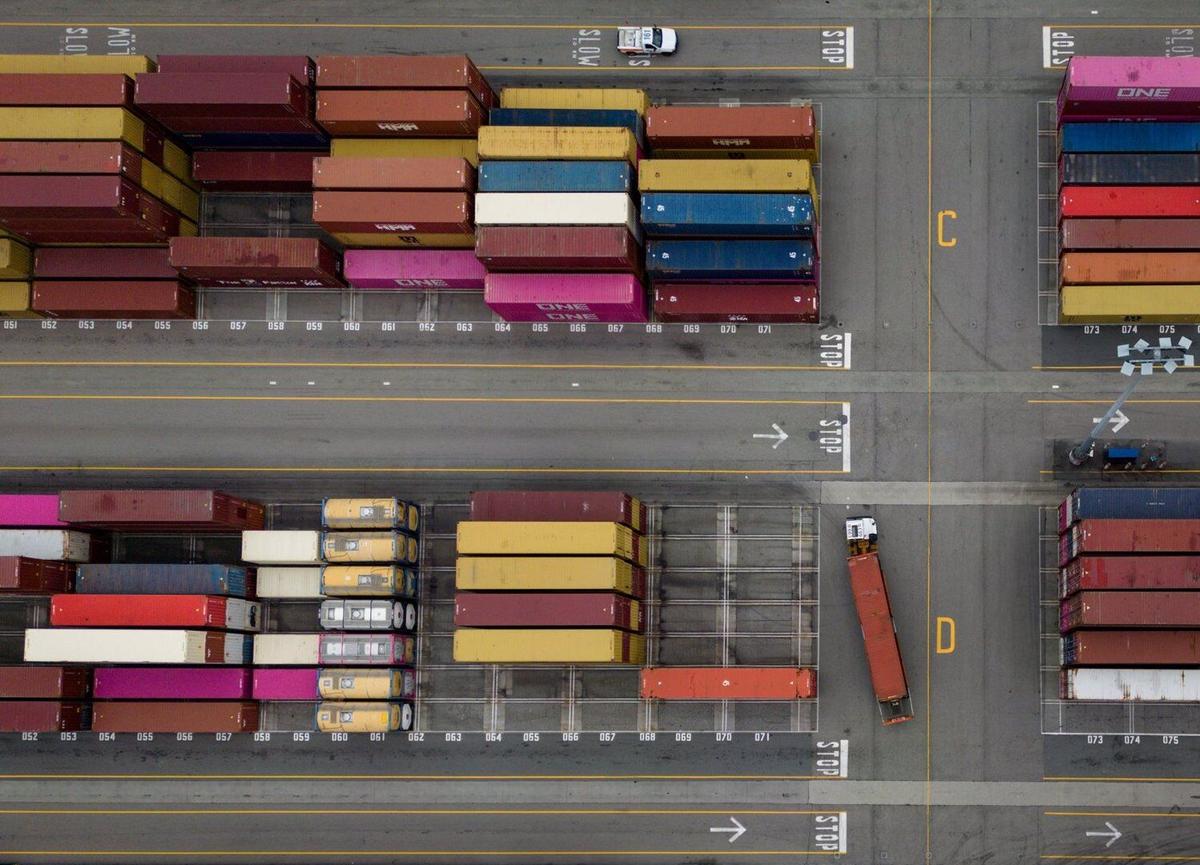
On Monday, U.S. President Donald Trump signed a series of executive orders that will significantly impact trade with Canada. The new policy introduces a 50 per cent tariff on a wide range of Canadian goods, including products such as honey, liquor, and cement. This move has quickly become a major topic of discussion for government officials and business leaders across the country.
Economic analysts suggest that these tariffs are a strategic attempt by the United States to gain leverage in future trade negotiations. By placing high taxes on essential Canadian exports, the U.S. administration aims to influence trade terms between the two nations. This development marks a shift in the current economic relationship between the two neighbours.
For Canadian businesses, these new costs create a difficult environment. Companies that rely on exporting these specific goods to the U.S. market may face higher operational costs or a decrease in sales. Industry experts are currently monitoring the situation closely to understand how these measures will affect the broader Canadian economy and the supply chain.
As the situation develops, the Canadian government is expected to review its options and respond to these trade barriers. While the long-term effects remain uncertain, the immediate focus is on protecting Canadian interests and maintaining stability in the North American market.