78 Years of the Nakba: A History of Displacement That Continues Today
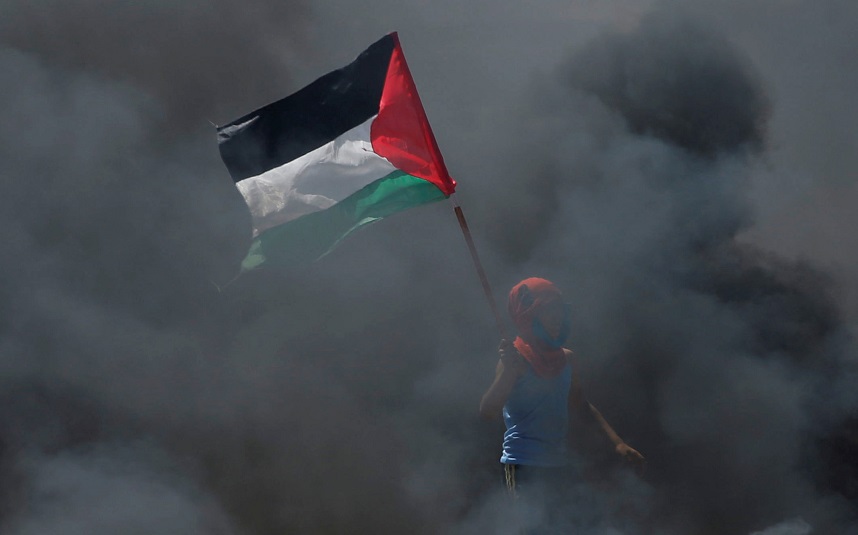
This year marks 78 years since the Nakba, an Arabic term meaning "catastrophe." This historical event marks the beginning of the mass displacement of the Palestinian population in 1948. For many analysts and citizens, this is not just a memory of the past, but a reality that continues to affect the lives of millions of people today.
The Nakba began during the 1948 conflict, when hundreds of thousands of Palestinians had to leave their homes and lands. Many families became refugees in neighboring countries or other areas of the region. Since then, the international community has intensely debated the right of these people to return to their original properties.
Recently, Vera Baboun, the Ambassador of the State of Palestine to Chile, shared her perspective on this date. According to the diplomat, the historical tragedy of the Nakba has not ended. She argues that, in the current situation, military force often prevails over international laws, which hinders a just solution for the Palestinian people.
The conflict remains one of the most complex issues in global politics. Various international organizations and governments around the world seek ways to apply international law to protect civilians. However, the lack of definitive agreements maintains a constant humanitarian crisis that affects the stability of the entire region.
In conclusion, the commemoration of 78 years of the Nakba is a reminder of a historical process that has not yet reached a closure. While the international community continues to seek diplomatic answers, the history of the Nakba remains a central symbol of the identity and the struggle of the Palestinian people for justice and peace.