A common infection can damage organs: the danger of sepsis
Published
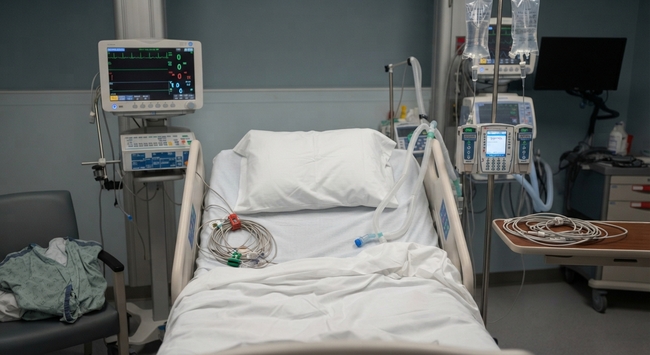
A common infection, such as a urinary tract infection, pneumonia or an infected wound, can sometimes lead to a serious illness called sepsis. Many people do not know about this problem, although it can be life-threatening. Sepsis happens when the body's defence system overreacts to an infection and starts to damage its own organs.
Sepsis can affect organs such as the kidneys, lungs, liver or heart. When an organ stops working properly, the patient needs urgent medical care. The most common symptoms include fever or a very low temperature, a fast pulse, rapid breathing, confusion and a strong feeling of being generally unwell. Some people may also have difficulty urinating or very low blood pressure.
The main problem is that sepsis can progress very quickly. For this reason, specialists recommend not waiting when an infection gets worse or unusual symptoms appear. An early diagnosis and quick treatment, which normally includes antibiotics and the support needed to keep the organs working, can greatly improve the chances of recovery.
In conclusion, even if an infection seems mild, it is important to pay attention to changes in the body. If a person has an infection and feels worse and worse, they should see a doctor as soon as possible. Knowing the warning signs of sepsis can help save lives.
Sources: Radio Montecarlo
More Chile news
- “Salud en Simple”: new video series from the O’Higgins Regional Health Ministry (SEREMI) passes 32,000 views
- Graneros Hospital promotes cancer prevention and mental health care with community leaders
- Self-medicating with antibiotics can make them stop working
- How many medicines a day are risky for older people?
- Summer and ear health: how to avoid discomfort and infections
- HPV is also a men's issue: an infection that affects everyone
- Technology with PUCV participation wins innovation award in the United States
- Experts from the University of Valparaíso warn about a very contagious disease