The End of Nevado Santa Isabel: A Disappearing Symbol of the Andes
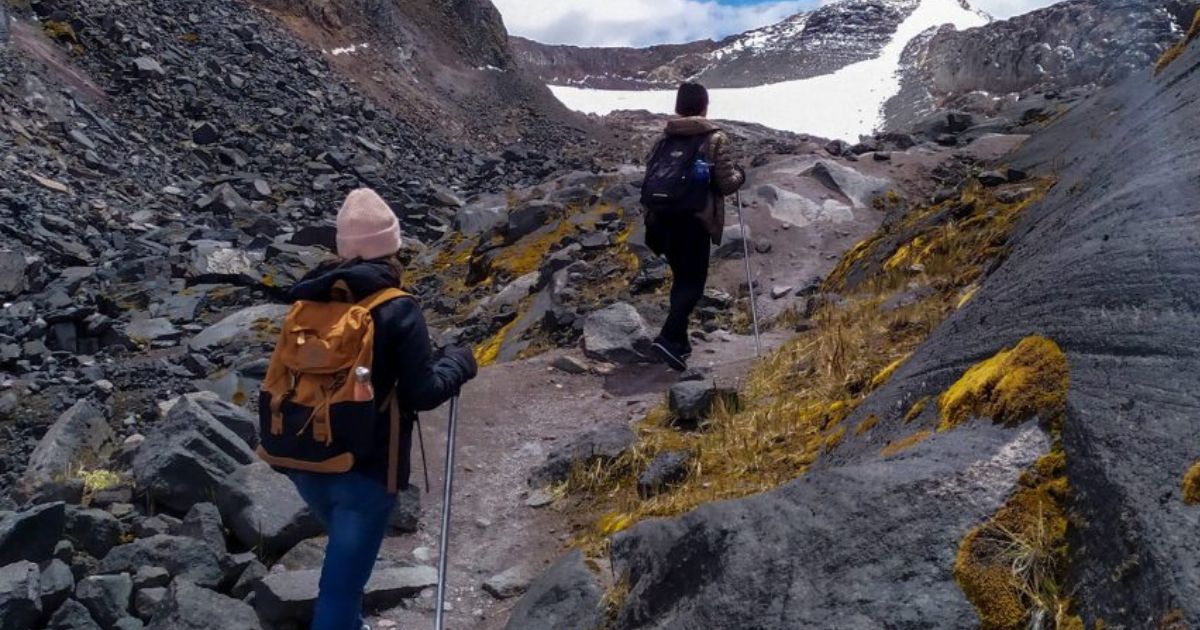
Nevado Santa Isabel, one of the most emblematic peaks of Colombia's Coffee Axis, is rapidly disappearing. This site, which for decades was a favorite destination for tourists, is now facing its final days due to global warming. The situation is critical, and experts assert that the region's landscape has changed permanently.
The figures regarding ice loss are alarming. In the past, the snow-capped mountain had an area of 27 square kilometers of glacier surface. However, the most recent studies indicate that only 0.16 square kilometers remain today. This drastic reduction shows the extreme speed at which the white peaks of the Colombian mountains are melting.
Situated at an altitude of 4,950 meters above sea level, Santa Isabel was known for its beauty and its relatively easy access for mountaineers. In addition to being a driver for local tourism, the glacier played a vital role in regulating water for the area's ecosystems. Now, dark rocks dominate the landscape where snow once reigned.
The impact of this melting goes beyond aesthetics. The disappearance of the glacier directly affects the páramos, which are essential water sources for nearby cities. Scientists warn that this process appears to be irreversible, forcing local communities to adapt to a new environmental reality without their white mountain.
The agony of Nevado Santa Isabel is an urgent reminder of the consequences of climate change on the planet. What was once a symbol of the majesty of nature in Colombia is today an example of its fragility. The future of these ice giants is uncertain, and their loss leaves a deep void in the natural heritage of the Andes.