Colombia prepares for decisive elections amid political tension and international changes
Colombia is experiencing moments of great political tension before the presidential runoff to be held on June 21. Lawyer Abelardo de la Espriella leads the polls against Iván Cepeda in what is considered the most polarized campaign of the last 35 years. There is strong concern about potential riots and the fact that President Gustavo Petro has not yet officially recognized the results of the first round, which generates uncertainty about the country's democratic stability.
To ensure citizen confidence, authorities have highlighted the transparency of the Colombian electoral system. The process features a manual vote count and a strict chain of custody monitored by political parties and various organizations. However, international observers from the European Union have warned about the phenomenon of polarization on social media, noting that hate speech and misinformation are seriously affecting the electoral environment.
This political division has even reached Bogotá's public transportation. In the TransMilenio system, supporters of the candidates have turned buses and stations into centers for proselytizing, causing physical and verbal confrontations among users. Meanwhile, analysts and journalists debate the crisis of the political center in Colombia, a sector that seems to have disappeared in the face of the extreme positions of the main candidates.
In the institutional sphere, the Congressional Accusations Commission faces harsh criticism for its historical ineffectiveness. Recently, this entity was questioned following an irregular attempt to suspend President Petro, which has reopened the debate on the need to reform oversight bodies. At the same time, the national government faces a new conflict in the Caribbean region following the announcement to liquidate the energy company Air-e. Trade associations and experts consider this measure irresponsible and lacking legal basis.
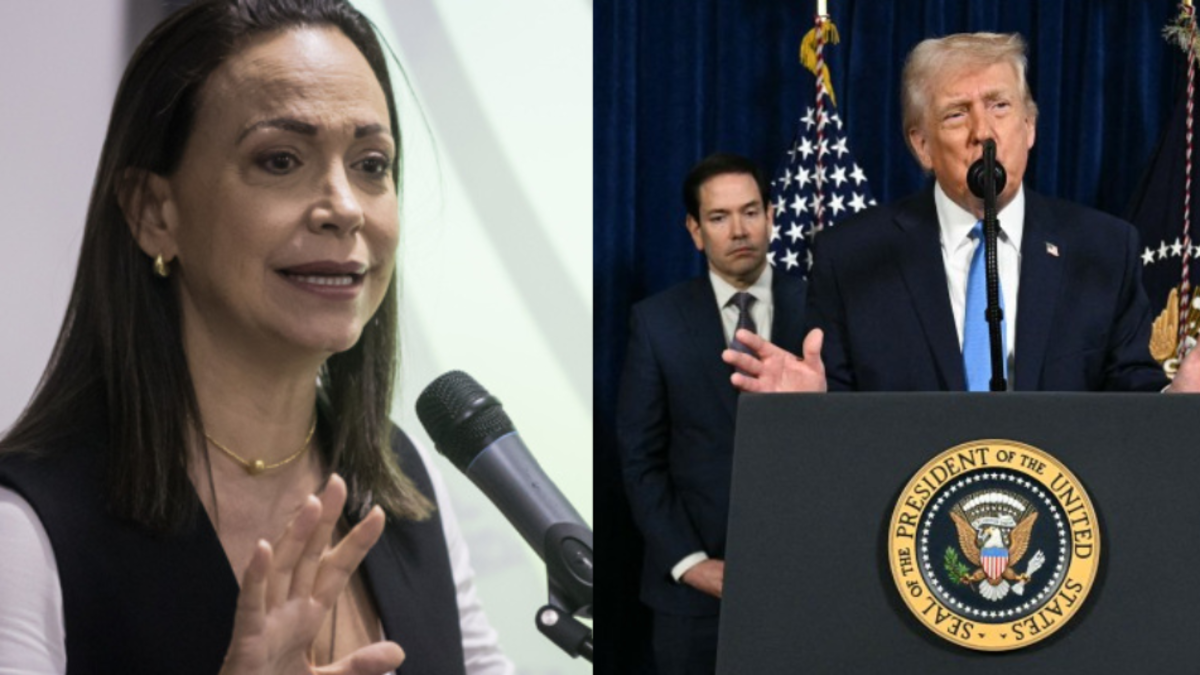
On the international stage, Venezuelan opposition leader María Corina Machado sent a message of gratitude to Donald Trump. Machado highlighted recent operations against the criminal group «Tren de Aragua» and other mafias in Venezuela, asserting that these actions were unthinkable just six months ago and represent an important step toward the institutional recovery of her country.
Finally, the global stage shows signs of change in the conflict between the United States and Iran. Although officials from both countries suggest that a peace agreement could be near, many doubts still exist regarding the real scope of the commitments made. Diplomatic leaks reveal that significant discrepancies persist, keeping the world in anticipation of whether an end to hostilities will truly be achieved.