United States: high prices force consumers to shop more carefully
Published
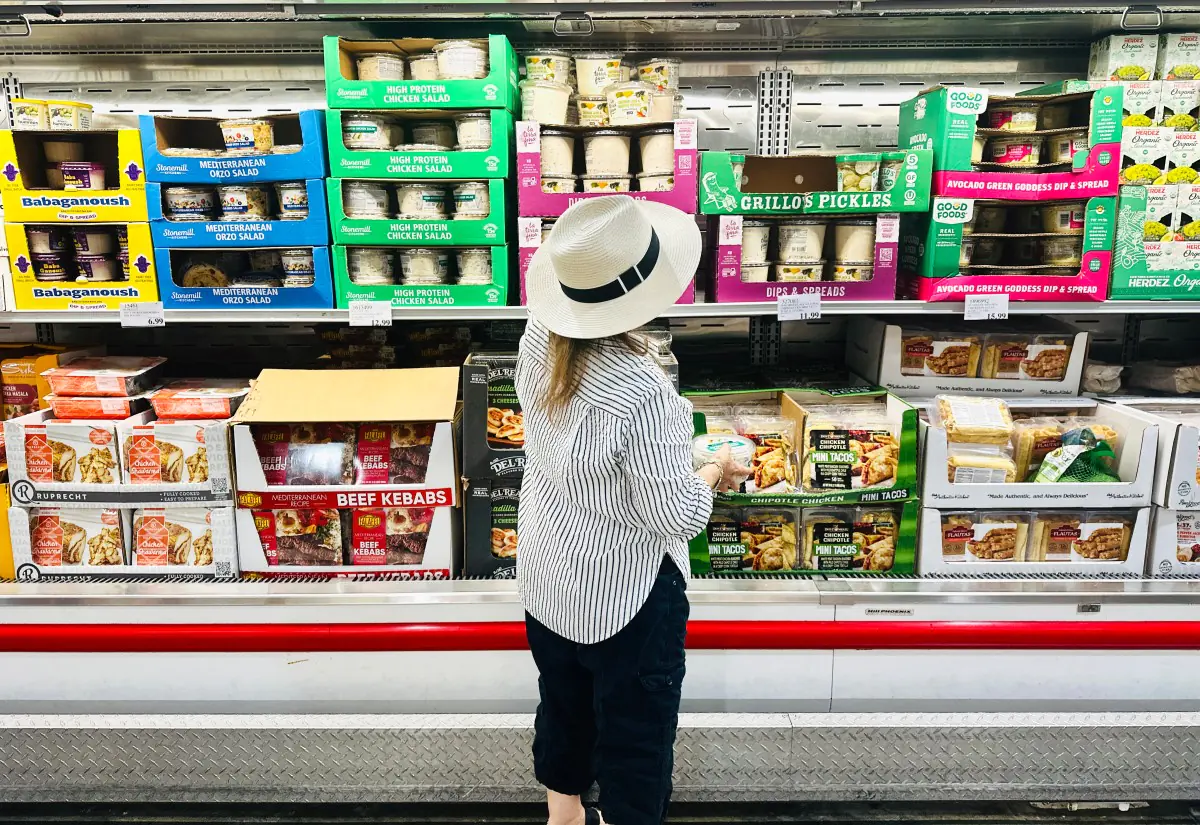
Consumers in the United States are changing the way they shop. According to the information available, people are "increasingly selective" when deciding which products to buy. This change is happening in the context of inflation, that is, a general rise in prices.
When prices go up, families' money buys fewer things. For this reason, many people compare more before paying, look for deals and stop buying some items they consider less necessary. This situation affects households' daily lives, because it forces them to manage their budget better and check their spending more carefully.
Inflation is not a problem exclusive to the United States. In many Latin American countries, including Colombia, rising prices have also been a concern for families and for those who manage their finances. Although the causes and economic conditions may differ from country to country, the pressure on people's purchasing power is a situation that is known in different regions.
In short, high prices have led American consumers to be more careful with their purchases. The available information describes this behaviour, but does not offer more details about its extent. To better understand the situation, it will be important to follow the official data and the economic analyses that are published in the coming months.
Sources: La Razón Digital Bolivia
More Colombia news
- How reliable is artificial intelligence for Latino voters?
- He won a million dollars in the U.S. lottery, then was detained by ICE for deportation
- Nidal Hasan will be executed in December 2026: the death penalty debate returns to the United States
- Professor at the University of Córdoba wins international pet industry award
- Alert in Colombia over fake medical appointment emails that aim to steal personal data
- Red de Veedurías reports documents for five contracts at the Bogotá Health Secretariat
- Sam Sulek prefers traditional food to protein shakes
- Animal health, key to human health under the 'One Health' strategy