Colombia prepares for presidential elections amidst security measures and political tensions
Colombia is experiencing moments of great anticipation ahead of this Sunday's presidential elections. In Bogotá, authorities have organized a major security plan including 11,000 police officers and 2,100 soldiers, in addition to the enforcement of the "dry law" to maintain order. For his part, President Gustavo Petro has publicly rejected what he considers interference from United States and Ecuadorian officials in the Colombian electoral process, defending the country's autonomy.
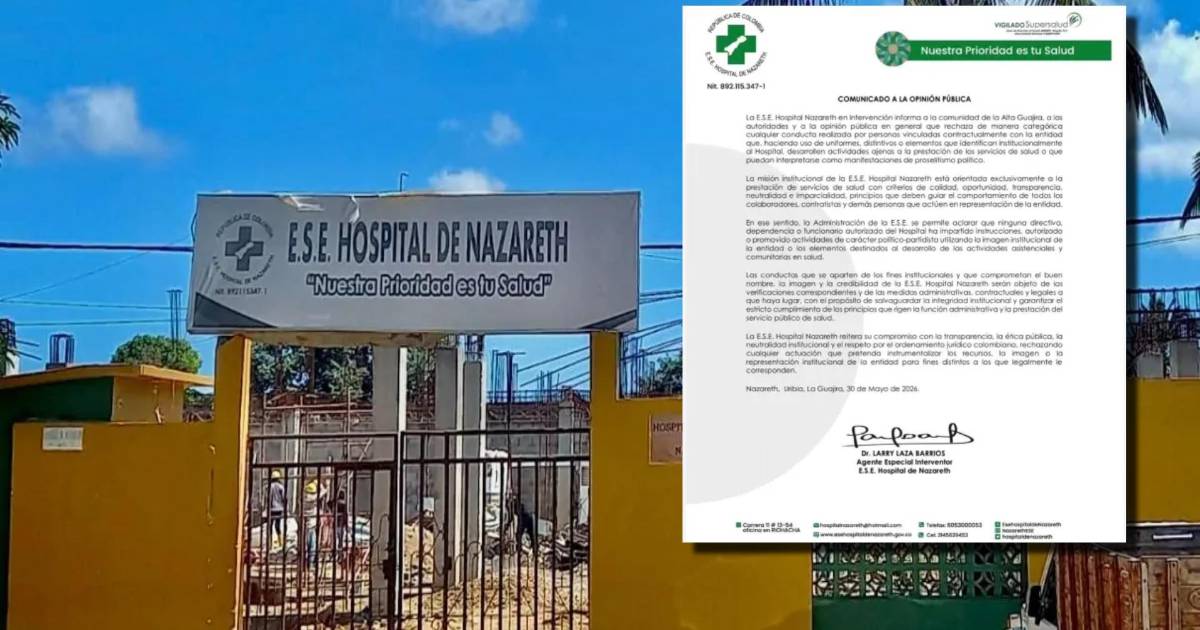
However, the election day faces several challenges in different regions. In the department of Nariño, authorities are investigating threats from armed groups against peasants, who will allegedly be required to present a voting certificate to travel. Additionally, in La Guajira, an investigation has been launched against the staff of the Nazareth Hospital due to a video where they supposedly conduct electoral pedagogy in favor of candidate Cepeda.
Politics is also generating debate for other reasons. In Medellín, there is controversy over a fundraising effort organized by sectors close to Petrismo to transport voters, which some sectors warn poses a risk of voter hauling or electoral fraud. At the same time, lawyer Abelardo de la Espriella defended his professional career in a recent interview, rejecting accusations regarding possible links to drug trafficking and defending his legal work.
In the industrial sector, the Ecopetrol union (USO) announced that it will not support candidate Cepeda. Instead, the most important labor organization in the oil industry has decided to back candidates who promote oil exploration and the use of "fracking." This decision marks a clear position of the workers regarding the country's economic and energy future.
Outside of Colombia, international news is highlighted by the riots that occurred in France. Following Paris Saint-Germain's (PSG) victory in the Champions League final, celebrations ended in acts of vandalism and fires. French authorities reported that more than 300 people were arrested during these violent incidents in several cities across the country.
In the area of local security, the Rionegro Mayor's Office expressed its rejection of an act of violence in a public school in the municipality. A teacher was injured following an alleged physical assault, an event that has caused great concern in the educational community. Local authorities are investigating the incident to protect teachers and ensure coexistence in schools.
Finally, positive news comes from Medellín with the success of the Fungalic project. This sustainable initiative uses fungi to transform waste into innovative solutions and useful products. The project has been recognized as one of the most outstanding in the city for its creativity and commitment to the environment, demonstrating the potential of ecological innovation in the region.