Bogotá Implements Energy Measures Ahead of El Niño Phenomenon
The energy sector in Bogotá and the department of Cundinamarca has begun implementing a series of strategic measures to face the challenges of the El Niño phenomenon. This climate event, characterized by a decrease in rainfall and rising temperatures, puts the supply of basic services in Colombia's central region at risk.
One of the plan's priorities is the protection of reservoirs. Due to the lack of precipitation, it is essential to manage water efficiently to guarantee hydroelectric power generation. Authorities are adjusting system operations to prevent water levels from dropping critically over the coming months.
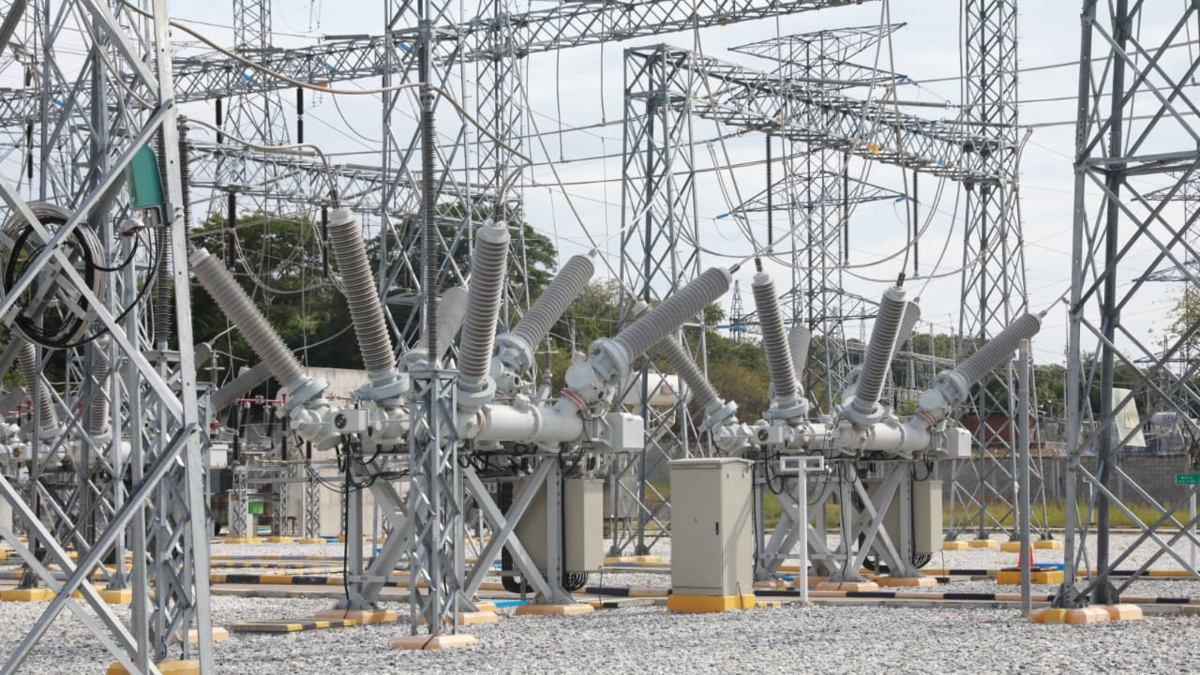
In addition to water conservation, the sector is working to ensure the supply of fuel for thermal power plants. These plants serve as an essential backup when hydroelectric plants cannot operate at full capacity. At the same time, modernization work is being carried out on the electrical grids to improve system resilience and reduce technical failures.
Coordination between energy companies and the local government is a key component of this strategy. Through constant monitoring of weather and consumption, authorities can make quick decisions to mitigate any negative impact. The main objective is to avoid power outages and ensure that both homes and industries have a constant energy supply.
Finally, experts emphasize that these actions are necessary to prepare the region for climate variability. Although the energy system is adapting, the success of these measures also depends on the responsible use of resources by citizens. Prevention and technological modernization are, for now, the best tools to overcome the effects of the drought.