Cuba faces an unprecedented energy crisis and receives a visit from the CIA Director
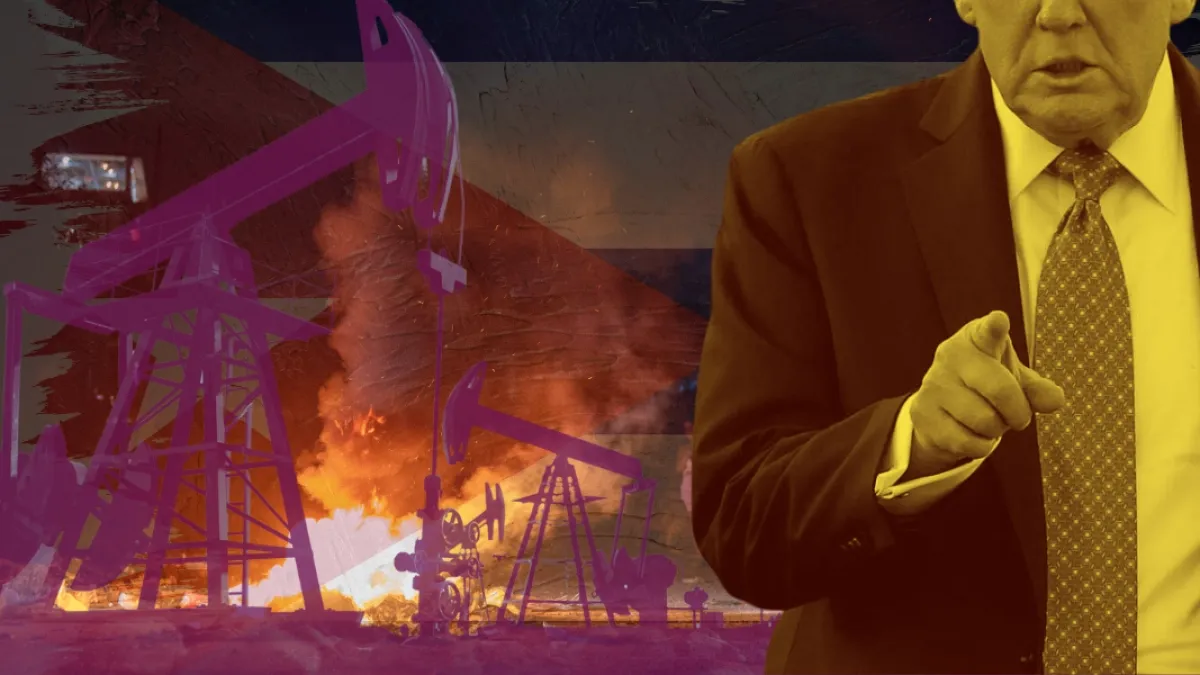
Cuba is currently going through one of the most difficult crises in its recent history. The lack of electricity and oil shortages have paralyzed much of the country, causing deep social unrest. Amid this scenario of constant blackouts, citizens have taken to the streets in various areas, such as the Playa neighborhood, to demand the restoration of basic services.
In this context of internal tension, unexpected news has been confirmed: CIA Director John Ratcliffe made a trip to Havana. This meeting between a high-ranking U.S. intelligence official and Cuban authorities is an unprecedented event that has raised many questions about the future of diplomatic relations between both countries.
The visit occurs at a time of great political uncertainty. According to various sources, there are reports of a possible judicial indictment against Raúl Castro, one of the most influential figures of the Cuban Revolution. This situation adds a layer of complexity to the already fragile stability of the current government, led by Miguel Díaz-Canel.
For its part, the Donald Trump administration seems to be closely monitoring the instability on the island. U.S. interest in the Cuban situation suggests a search for changes in regional dynamics. Ratcliffe's presence in Cuba could be interpreted as a sign that Washington is evaluating the impact of the energy crisis and the possible end of a political era in the Caribbean country.
Cuba's future remains uncertain as the economic and social crisis continues to worsen. The combination of a lack of energy resources, popular protests, and external pressure places the island in an extremely delicate position. The coming days will be fundamental to see if this diplomatic and intelligence outreach produces any significant change in the Cuban reality.