Senate elections conclude today: Czechs are choosing 22 new legislators
Published
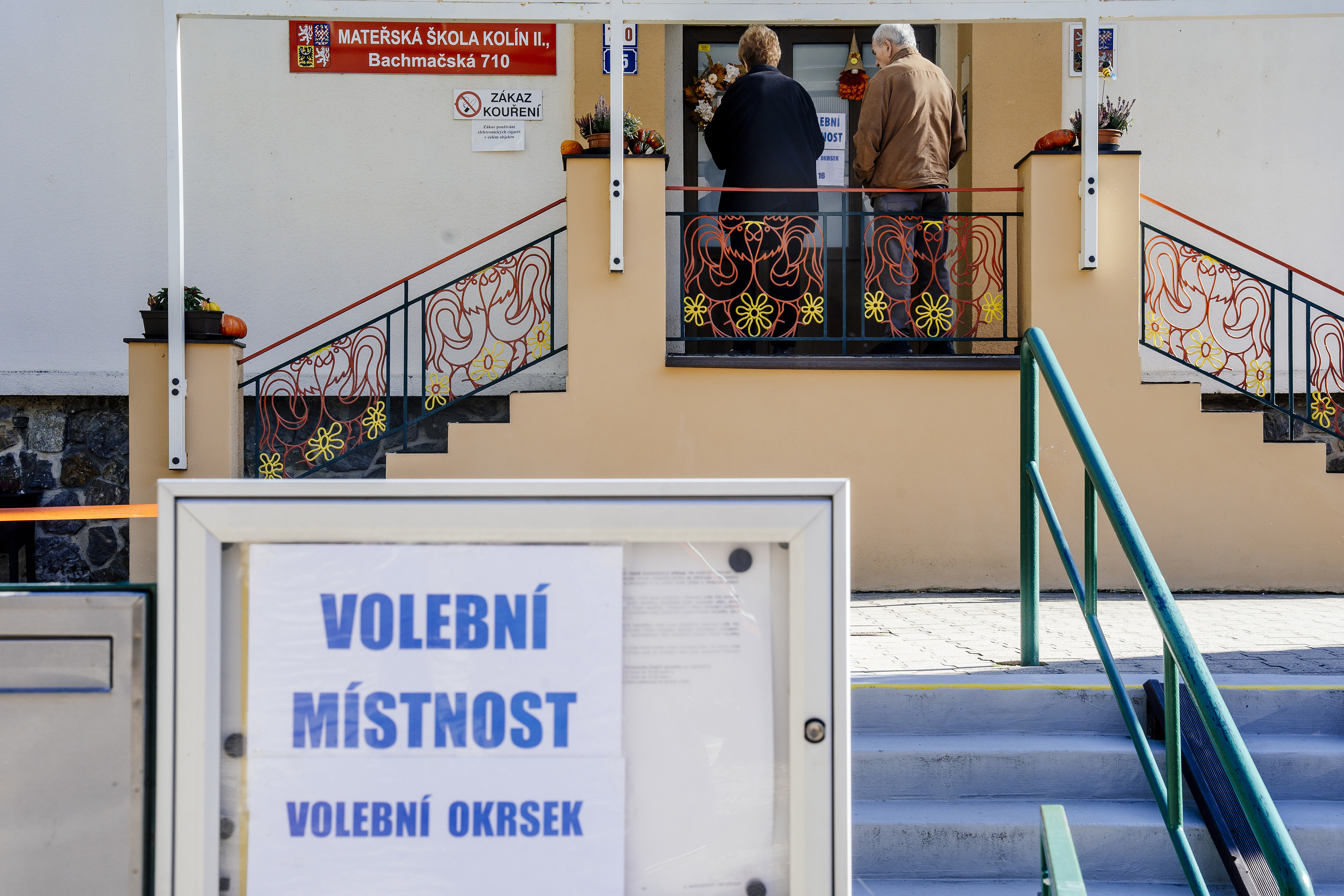
Polling stations across the Czech Republic will close today at 2 p.m. During these hours, citizens are deciding who will occupy 22 seats in the upper house of the Parliament of the Czech Republic, the Senate.
Senate elections are held in the Czech Republic every two years, with one-third of the senators being replaced each time. This year's vote is important for the future composition of the upper house, which serves as a democratic safeguard in the Czech political system and participates in the approval of laws.
Voter turnout in Senate elections is traditionally lower than in elections to the Chamber of Deputies. Nevertheless, these elections are of great importance for local regions, as senators represent specific electoral districts and promote the interests of their constituents at the national level.
Immediately after the polling stations close at 2 p.m., election commissions will begin counting the votes. The results will be gradually published on the Czech Statistical Office's website, where citizens can monitor the situation in individual districts in real time.
The final election results will be known during this afternoon and evening. It will then be clear which political parties have gained the strongest representation in the Senate and how the balance of power in the upper house will change for the upcoming term.
Sources: Lidovky.cz
More Czechia news
- Aricoma is Dell Technologies' Partner of the Year
- Ethiopian aquaculture needs foreign technology and know-how
- Czechia ranks above the global average in children's physical activity
- Pavel receives Hungarian President Baka. According to him, both countries share a view on Europe's security
- Economic Chamber welcomes stricter fight against illegal employment
- Chase across half of the Czech Republic: police stopped one car, the other was found empty near Prague
- Adéla Knapová criticises Babiš and Okamura: Czechia is weak and defenceless, she says
- Cardiologists in Ústí became the first to use a modern system for treating cardiac arrhythmias