The Czech Republic faces a demographic shift: In the future, seven regions will have more seniors than working people
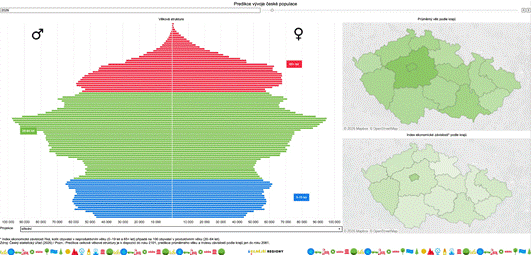
The Czech Republic is facing significant demographic changes that will affect the future of the entire country. According to the latest analyses, it is expected that by 2060, the ratio of inhabitants in seven Czech regions will change significantly. The number of people in the post-productive age could exceed the number of inhabitants in the productive age, i.e., people between 20 and 64 years old.
This trend will put great pressure on the Czech social system and, above all, on healthcare. An aging population will require more care, which places high demands on the availability of medical care, hospital capacities, and professional staff. The state must therefore prepare for a situation where there will be fewer economically active people than those who will need assistance.
Experts agree that one of the main ways to manage this situation is modernization and the introduction of new technologies. The digitalization of healthcare, the use of artificial intelligence in diagnostics, or the development of telemedicine can help make patient care more efficient. Thanks to these innovations, it would be possible to reduce the burden on the healthcare system and better take care of the growing number of elderly citizens.
Changing the demographic structure is a long-term process for which not only the state administration but also individual regions must prepare. Investment in technology and support for health prevention will be key topics in the coming decades. The goal is to maintain a high quality of life for all generations despite the expected economic challenges.