Changes to EU budget rules: What does this mean for the Czech Republic?
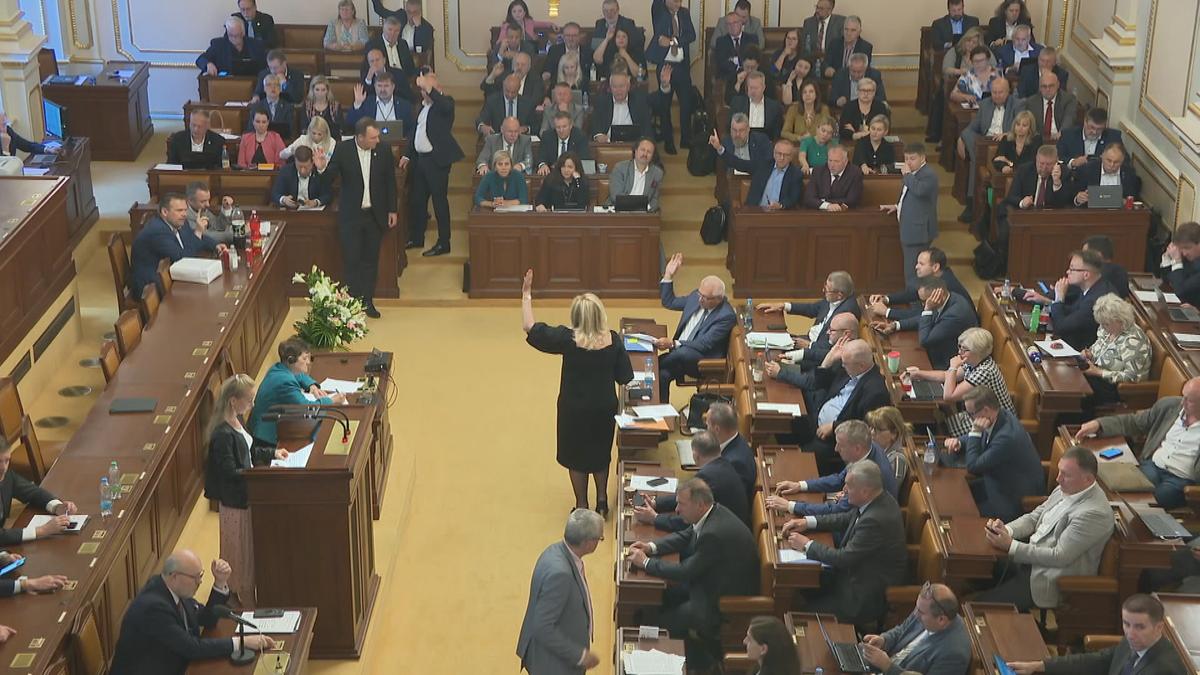
The European Union is currently debating adjustments to the budget rules for member states. The goal of these changes is to allow countries greater flexibility when investing in key areas, such as defense or industrial modernization. This discussion is sparking strong reactions among politicians and economic experts in the Czech Republic.
Some analysts warn that overly relaxing the rules could be risky for the Czech economy. They fear that if states stop strictly monitoring their debts, it could lead to instability throughout the eurozone and beyond. For the Czech Republic, which is heavily connected to the European market, such problems could mean complications for economic growth.
On the other hand, proponents of the changes argue that the old rules were too outdated and did not allow for a response to current global challenges. According to them, it is necessary for countries to be able to invest in new technologies and security, even if it means temporarily higher budget deficits. The debate is therefore focused on finding a balance between responsible management and the need for development.
The Czech government must now decide what position to take in these negotiations. Finance ministers of EU member states will decide on the final form of the rules in the coming months. The outcome of these negotiations will have a direct impact on how the Czech Republic will be able to plan its state expenditures and investments in the future.