The end of television broadcasting via antenna? Britain plans changes, while the Czech Republic waits
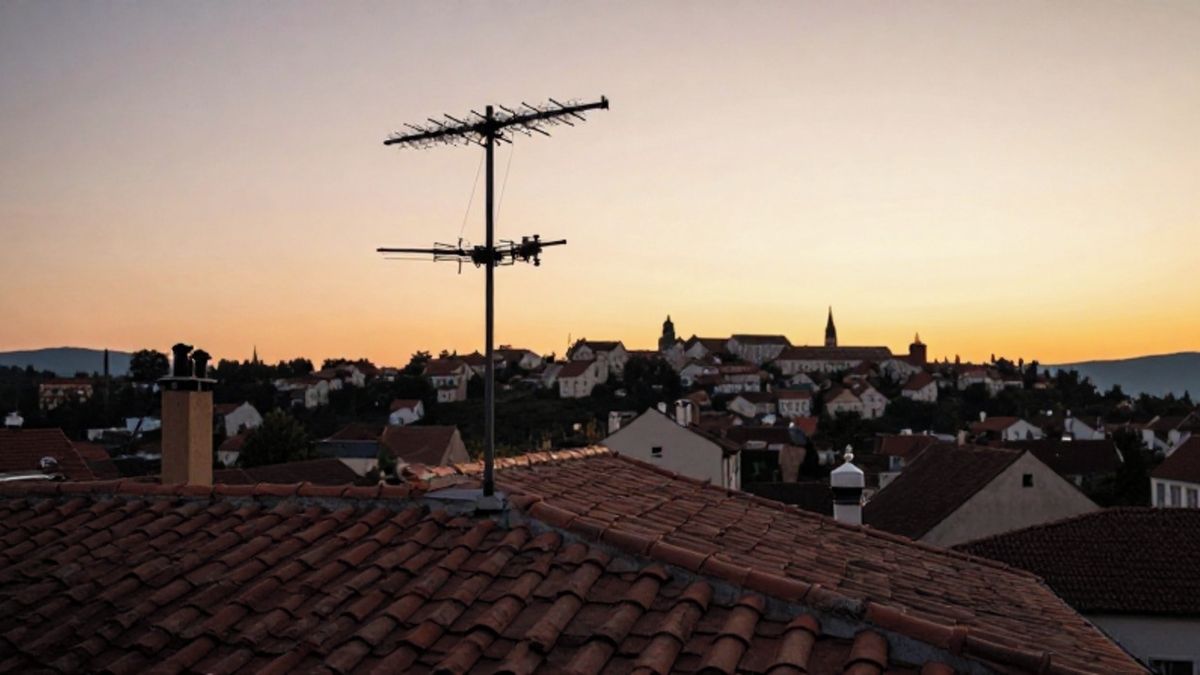
Great Britain is currently addressing the future of television broadcasting. Authorities there are debating whether to definitively end traditional terrestrial broadcasting via antenna in 2034, or whether to postpone this step for another ten years. This development is being closely watched by experts across Europe, as digital technology gradually replaces traditional methods of signal distribution.
The situation in the Czech Republic is different in this regard. Czech viewers who use a traditional antenna to receive television have the certainty for now that their method of signal reception will function at least until the end of 2030. The state administration and broadcasters in the Czech Republic have not yet decided on a specific date for shutting down terrestrial broadcasting.
The main reason for these considerations is the growing popularity of internet broadcasting and streaming services. More and more people prefer to watch programs online whenever they have time, instead of following a television schedule. A transition to purely internet-based broadcasting would bring modernization, but it also requires that the entire population has access to a fast and stable internet connection.
Experts agree that the debate about the future of television will be very important in the coming years. For Czech households, this does not mean any immediate change at the moment, but it is good to monitor the direction in which developments abroad are heading. In the future, it will be necessary to find a balance between modern technologies and the accessibility of information for all citizens.