The Czech Republic pays some of the highest interest rates on national debt in the European Union
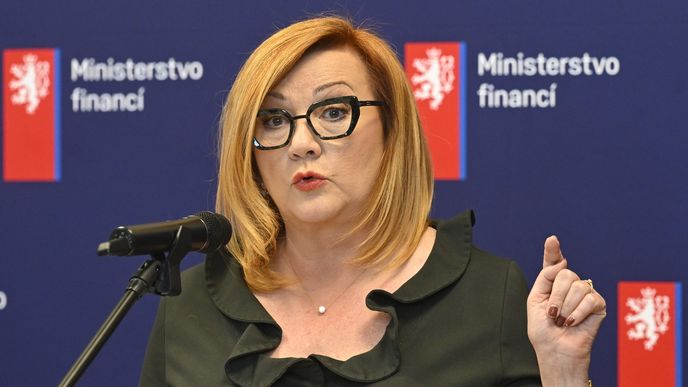
The Czech Republic is currently grappling with high costs for servicing its national debt. According to the latest data, the interest the state pays on borrowed money is among the fourth highest in the entire European Union. This situation places a significant burden on the state budget, as billions of koruny that could be invested in the country's development must instead go toward paying interest to creditors.
The main reason for this state of affairs is a combination of high inflation and the monetary policy of the Czech National Bank, which has kept interest rates at a high level in recent years. Investors who lend money to the state through government bonds demand higher yields to cover the risks associated with the country's economic situation. Higher interest rates thus directly increase the cost of financing the national debt.
Analysts point out that high debt costs limit the government's room for maneuver when drafting the budget. If the state spends a large portion of its revenue solely on interest, fewer funds remain for important areas such as education, healthcare, or infrastructure modernization. The situation is all the more complicated by the fact that the Czech national debt has grown in recent years due to the impacts of the pandemic and the energy crisis.
The Ministry of Finance is now trying to find ways to stabilize the debt and reduce debt-servicing expenditures. The goal is a gradual consolidation of public finances, which should lead to greater investor confidence and a subsequent decline in interest rates. Future developments will depend not only on the government's economic policy but also on the overall economic situation in Europe and the pace of inflation reduction.