Health Alert in Quito: 59 Neighborhoods Under Surveillance Due to Rodent Presence
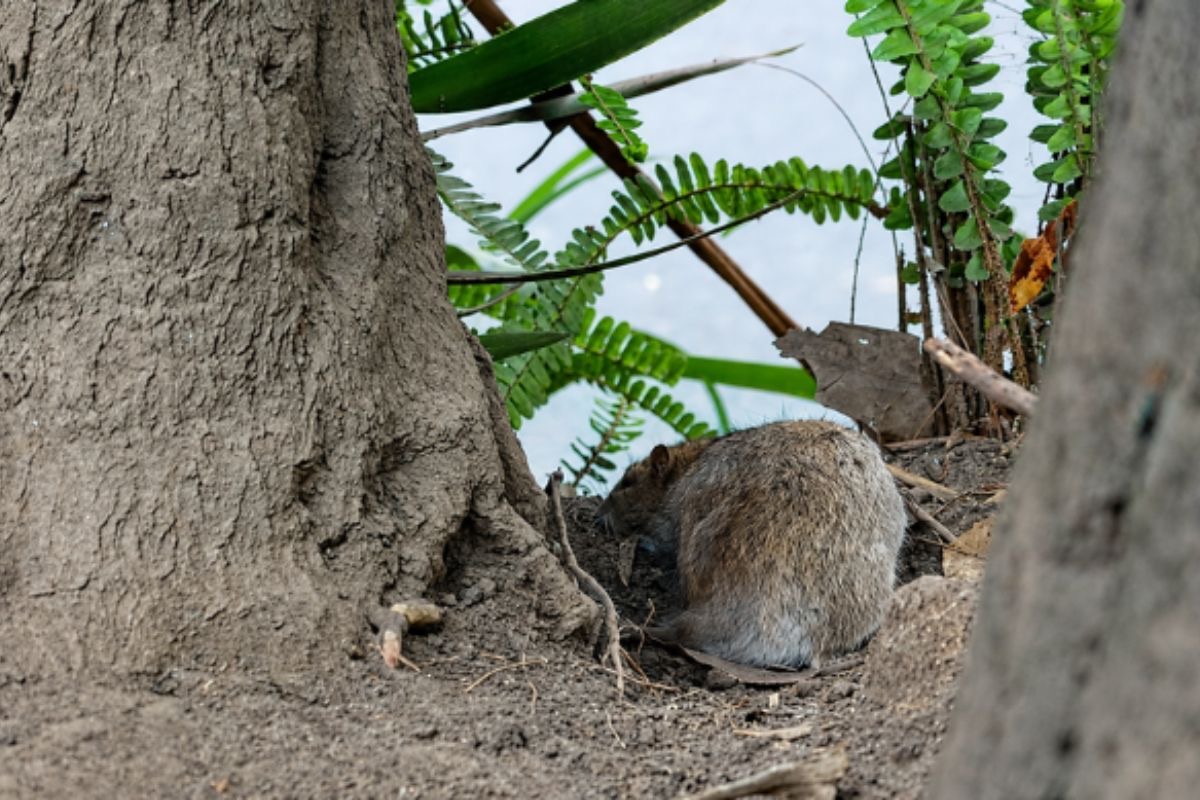
Quito's Animal Welfare Unit (UBA) has recently conducted a series of inspections in various sectors of the Ecuadorian capital. According to official reports, 59 neighborhoods have been identified with a significant presence of rodents. This situation has generated concern among citizens and local authorities, who are seeking to control the pest to avoid potential public health risks.
The inspections are part of a comprehensive sanitary control plan in the Metropolitan District of Quito. UBA technicians visit the affected areas to assess the magnitude of the problem and determine the causes of the increase in these animals. The main objective is to identify infection hotspots and understand why rodents are reproducing rapidly in residential and commercial areas.
To help the community, authorities have shared clear signs to identify the presence of rats on a block or in a building. Among the most common signs are strange noises in ceilings or walls, chewed cables, and the presence of small droppings. It is also common to find torn trash bags before the collection truck passes, which indicates that the animals are looking for food in the waste.
It is essential for neighbors to take preventive measures before the situation worsens. Experts recommend not leaving trash on the street outside of collection hours and keeping patios and gardens clean. Additionally, it is very important to seal cracks in walls and avoid the accumulation of old objects or wood, as these places serve as ideal shelters for rodent nests.
Controlling this pest is a shared responsibility between the municipality and the citizens. The UBA will continue to monitor the 59 affected neighborhoods and offer technical guides to residents to handle the problem safely. Maintaining urban hygiene is the most effective tool to ensure the well-being and safety of all families in Quito.