Where is the public money? The debate on transparency in Ecuador
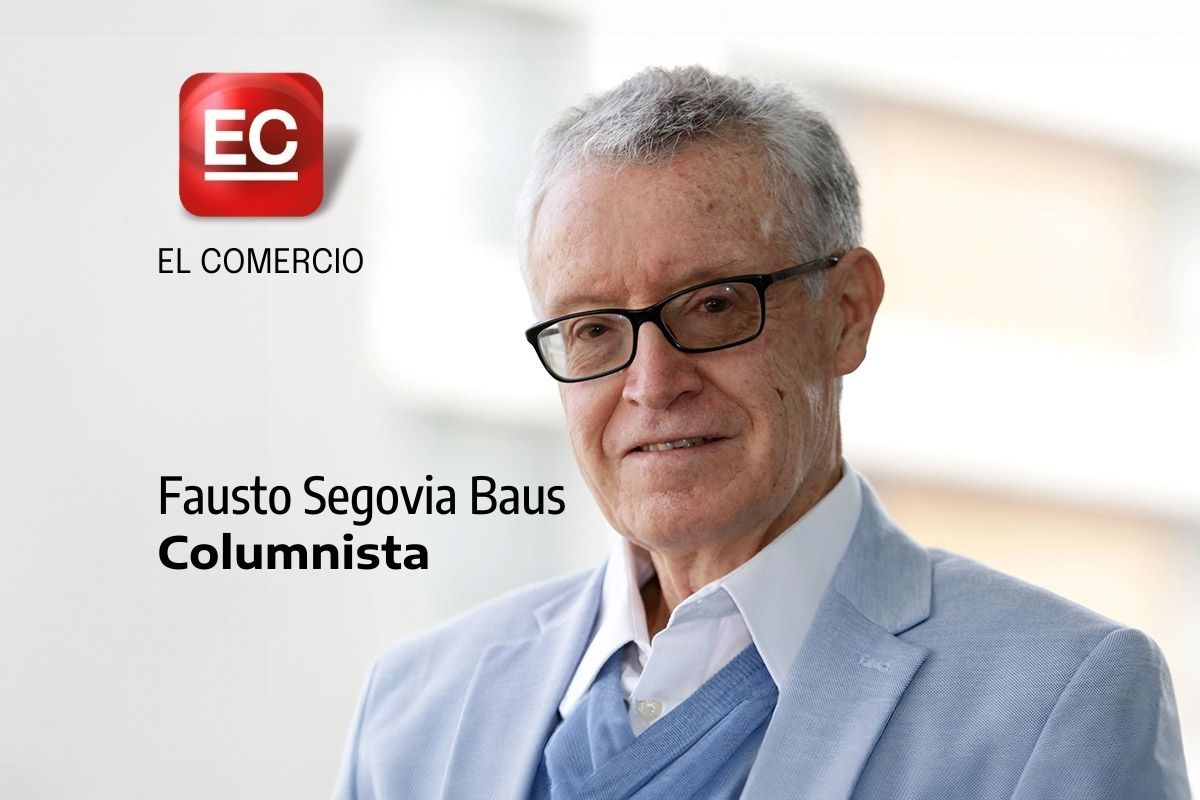
The management of public money is one of the most debated topics in current politics. In Ecuador, the question "Where is the money?" has become a symbol of the fight against corruption. This phrase, originally spoken by politician Vladimiro Álvarez in the 20th century, remains relevant today for citizens who demand clear answers about the use of their taxes.
Mismanagement and cases of corruption have generated great distrust in state institutions. According to various analysts, the misuse of public resources not only affects the country's economy but also limits the development of basic services such as health and education. The lack of ethics in some political sectors has allowed money intended for common welfare to disappear without sufficient explanation.
Faced with this situation, experts and civil organizations propose the need to implement stricter control systems. Transparency is fundamental so that society can monitor how the national budget is spent. Without independent auditing mechanisms and laws that punish corruption, it is difficult to guarantee that funds reach their original destination.
Ethics in politics is another essential pillar for improving the situation. Political leaders have the responsibility to act with honesty and provide accountability constantly. Citizen participation also plays a key role, as an informed population can pressure their representatives to act with integrity and respect everyone's money.
In conclusion, the question about the whereabouts of public money remains relevant in the Ecuadorian political debate. Achieving efficient and honest administration requires a real commitment between the government and the citizenry. Only through transparency and effective control can it be ensured that state resources are used for the benefit of the entire society.