Ecuador manages to reduce illegal trafficking of wild animals and plants
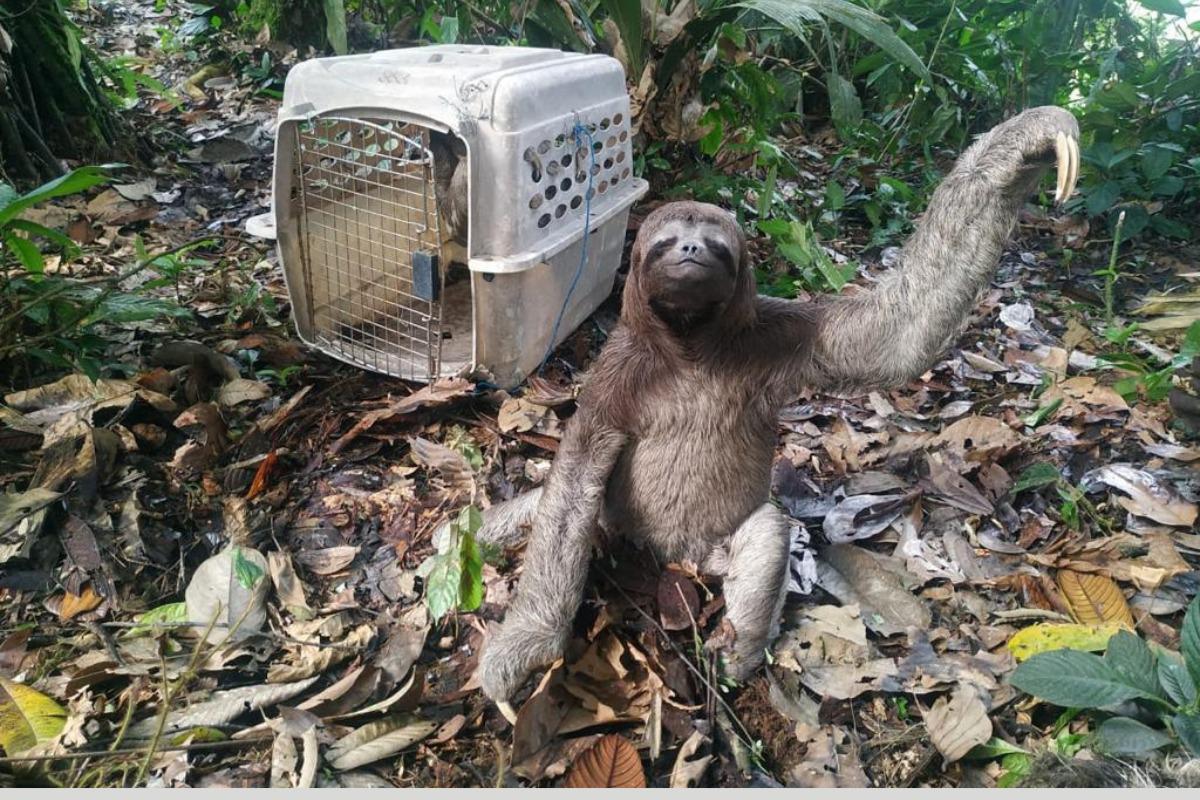
The Ministry of the Environment of Ecuador (MAE) has implemented a new national strategy to combat the illegal trafficking of wild fauna and flora. This problem represents one of the greatest threats to the country's biodiversity, but authorities report that the new plan is already achieving significant results in the protection of nature.
The strategy includes an increase in security controls at key points such as highways, airports, and local markets. The main objective is to stop the networks that attempt to commercialize exotic animals or protected plants. To achieve this, the government works in coordination with the environmental police and conservation experts.
Thanks to these measures, authorities have managed to rescue numerous animals that were going to be sold illegally. Among the most affected species are various exotic birds, monkeys, and reptiles. Additionally, the controls have helped reduce the trade of plants such as orchids, which are highly valued on the international black market.
A fundamental part of this plan is education and raising awareness among the population. The MAE seeks to ensure that citizens understand the irreversible damage that species trafficking causes to ecosystems. Authorities insist that if people stop buying these animals and plants, the illegal business will cease to be profitable.
In conclusion, Ecuador is taking important steps to protect its natural wealth through stricter laws and constant surveillance. Although wildlife trafficking remains a global challenge, current results in the country show that it is possible to mitigate this problem with a clear strategy and the collaboration of society.