Egypt Experiences a Major Tourism Boom with New Investments and Archaeological Discoveries
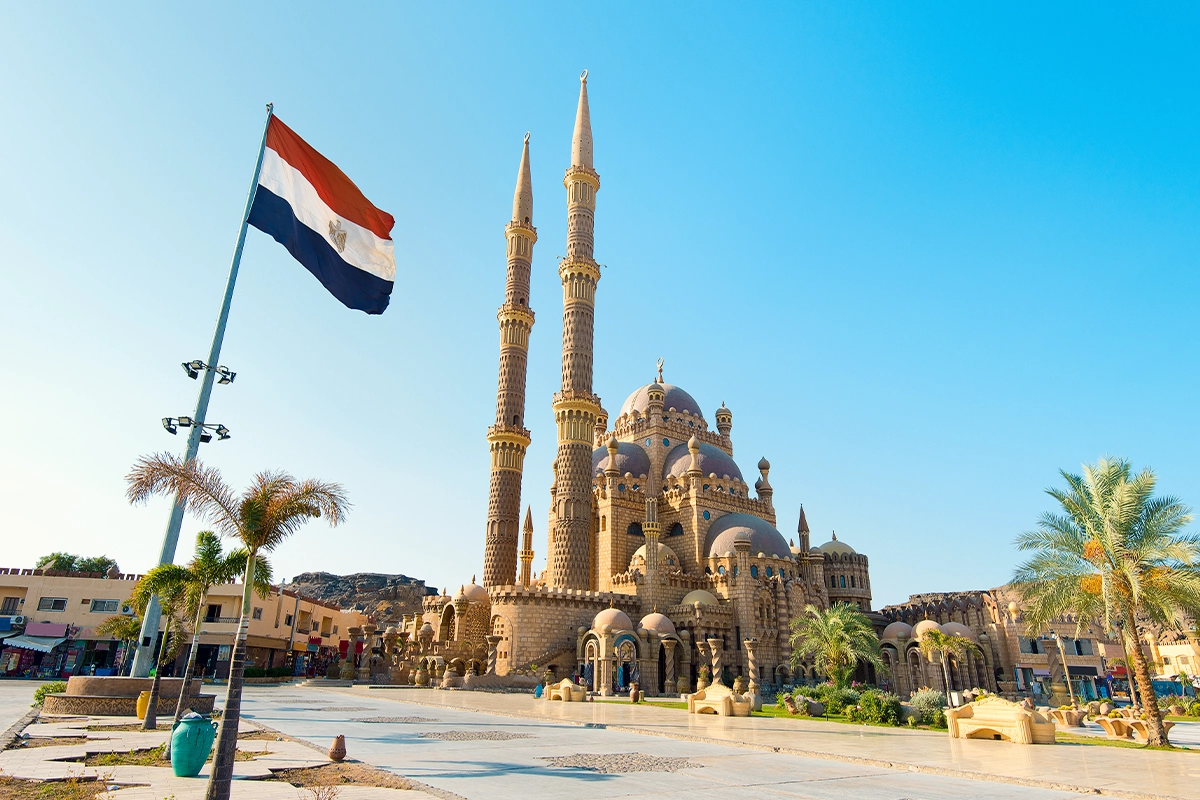
Egypt's tourism sector has been witnessing significant positive developments recently. Updated reports have confirmed that travel to Egyptian tourist destinations remains generally safe, boosting the confidence of tourists from around the world. In this context, global travel industry leaders are preparing to meet in Egypt to discuss ways to recover the industry and coordinate efforts between the public and private sectors to address ongoing challenges in global travel.
On another front, investments in tourism infrastructure are expanding significantly. AD Ports Group has announced the expansion of its presence in Egypt by launching cruise services at three main terminals: Sharm El-Sheikh, Hurghada, and Safaga. Additionally, the importance of religious tourism is highlighted by the role of major companies such as Ajlan & Bros Holding Group, which seeks to provide innovative services in this field that connects Egypt with the Islamic world.
Regarding cultural landmarks, the Grand Egyptian Museum is taking center stage, with current ticket prices clarified ahead of any future increases; tickets for Egyptians are 200 EGP, while for foreigners, they reach 1,590 EGP. The Ministry of Tourism issued an official statement responding to reports about rainwater leakage in the museum's atrium, confirming the building's safety and readiness. Furthermore, a rare archaeological discovery of a Roman tomb containing mummies with golden tongues was announced, adding a new historical attraction to the country.
On the level of events and borders, the Cycling Federation announced the launch of an epic journey titled "From the Pyramid to the Haram," a global event aimed at linking Egypt's ancient history with holy sites. In a different context, changes have occurred in crossing fees at the Taba land border crossing, where Egyptian authorities have raised fees to $60 for Israeli travelers, in light of the current circumstances affecting cross-border travel.
In conclusion, these diverse movements demonstrate Egypt's commitment to developing the tourism sector and diversifying its services to suit all visitors. Between new investments in ports, exciting archaeological discoveries, and international sporting events, Egypt continues to strengthen its position as one of the most important tourist destinations in the region and the world, promising a stable future and continuous growth for this vital sector.