Archaeological tomb dating back to the Ramesside period discovered in Luxor
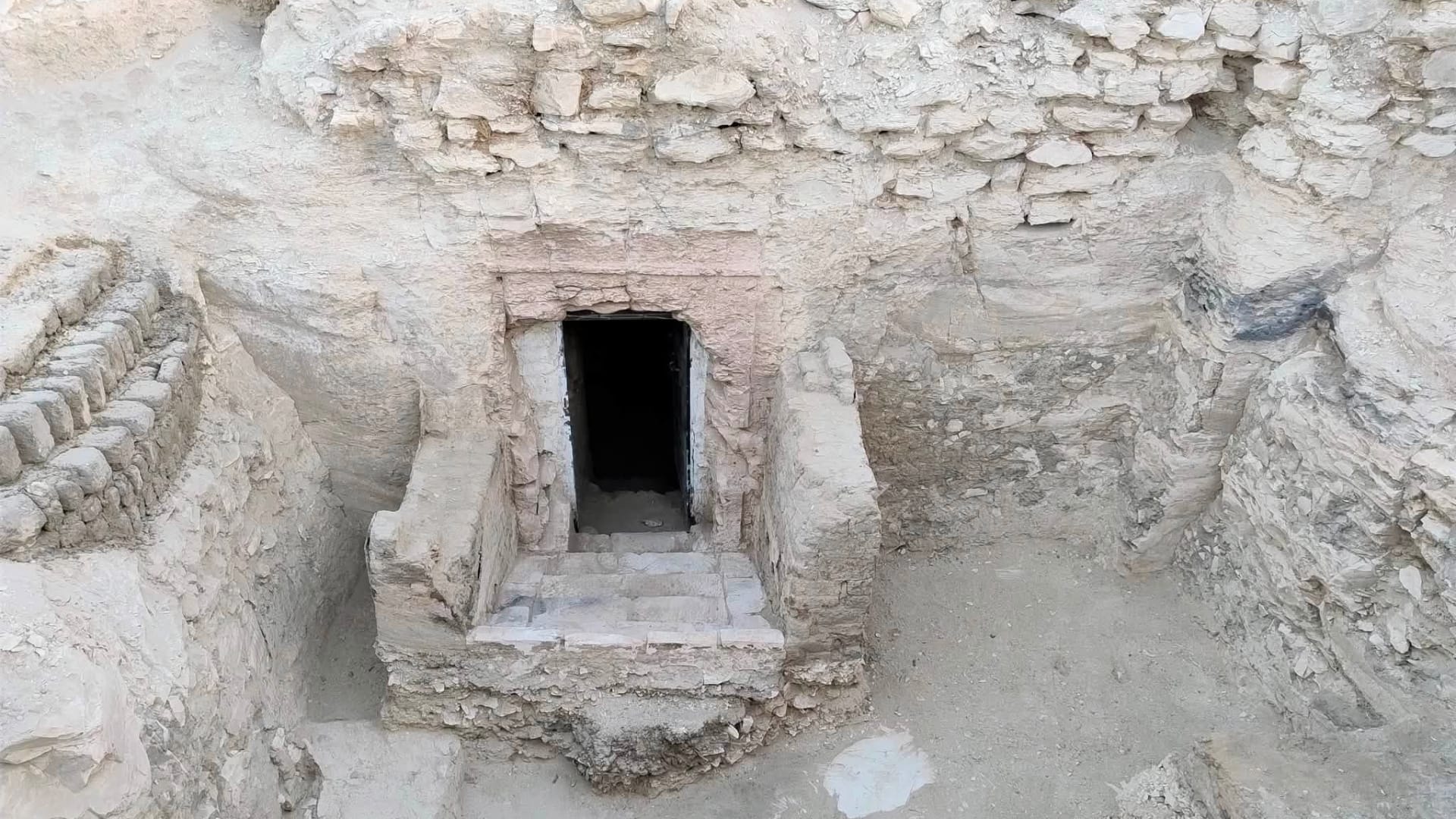
The Egyptian Ministry of Tourism and Antiquities announced on Sunday a new and significant archaeological discovery in the historic city of Luxor. An ancient tomb was found in the West Bank area, a region renowned for its numerous temples and royal tombs.
Initial estimates by archaeological experts indicate that this tomb dates back to the Ramesside period, meaning it is approximately 3,000 years old. This era is considered one of the powerful and significant periods in ancient Egyptian history, as it witnessed the reign of mighty kings such as Ramesses II.
The archaeological mission continues its work at the site to fully explore the contents of the tomb. These efforts aim to uncover more details regarding the identity of the tomb's owner and the funerary artifacts that were placed with the deceased during that era.
This discovery comes as part of a series of archaeological findings announced by Egypt in recent years. These discoveries contribute to strengthening Egypt's position as a global tourist destination and help researchers better understand the secrets of ancient Egyptian civilization.