Secrets of the Afterlife: Why Did the Ancient Egyptians Place Food in Tombs?
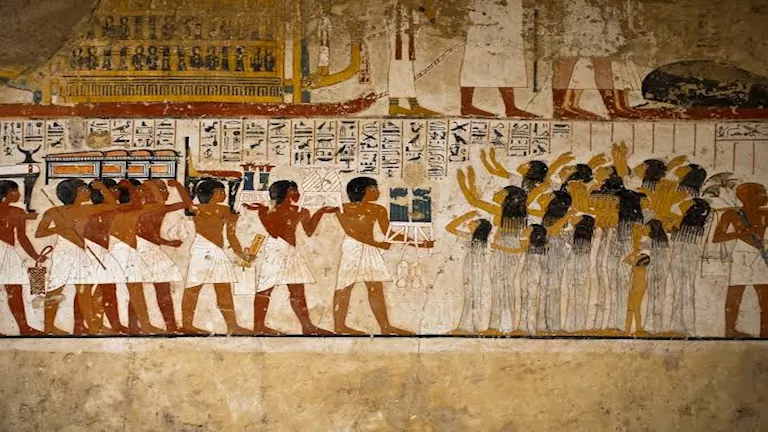
Concern for the afterlife is one of the most prominent features of ancient Egyptian civilization, as the ancient Egyptians believed that the deceased required food and drink on their journey after death. Archaeological discoveries in various Egyptian tombs have revealed the presence of various food remains that were placed beside mummies as part of funerary rituals.
The menu offered to the deceased included various types of bread, meat, and poultry, in addition to fish, fruits, and fresh vegetables. It was not limited to solid food only; water, beer, and certain types of wine were also placed to ensure that the deceased was provided with everything they needed in the afterlife, according to their religious beliefs.
Historical studies indicate that these customs were not merely random rituals, but an expression of appreciation and loyalty to the deceased. Relatives would make sure to offer these sacrifices regularly, believing that the soul of the deceased would benefit from these gifts to live a happy and stable eternal life.
These discoveries are considered important evidence of the extent of the development of ancient Egyptian culture and its attention to human and spiritual details. Today, Egyptian museums continue to display these tools and offerings, allowing visitors—both Egyptians and tourists—to gain a deeper understanding of the ancestors' culture and how they viewed life and death.