Dozens of salmonella cases detected in Finland in the spring
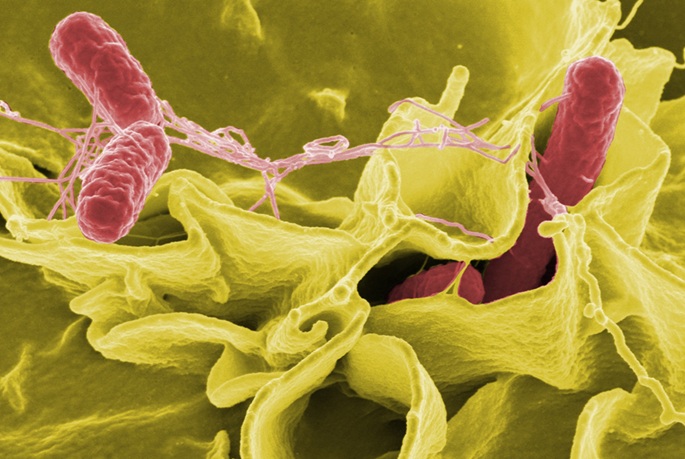
The Finnish Institute for Health and Welfare (THL) has reported a new cluster of salmonella infections. During the spring of 2026, a total of 64 cases caused by the Salmonella Bovismorbificans bacterium were identified in Finland.
Salmonella Bovismorbificans is a rarer form of salmonella that can cause gastrointestinal symptoms in humans, such as diarrhea, fever, and abdominal pain. Infections are usually spread through contaminated food or water and can originate from sources such as food products or poor hand hygiene.
Authorities are currently investigating the origin of the infections and potential sources of transmission. Clusters of this type require careful monitoring to prevent the bacterium from spreading further into the population. Researchers are determining whether the cases share a common source, such as a specific batch of food.
THL reminds the public that salmonella infections can be effectively prevented through thorough handwashing and proper food handling. Food should always be cooked to a sufficiently high temperature, and raw products should be kept separate from other food items.
Although the situation is being closely monitored, authorities have not yet issued specific restrictions on the use of food products. However, citizens are advised to maintain good kitchen hygiene and to contact healthcare services if they experience severe gastrointestinal symptoms.