Dozens of salmonella cases detected in Finland in the spring
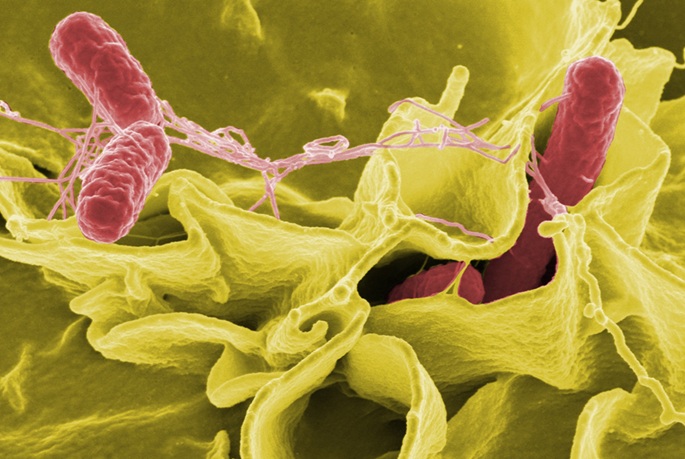
The Finnish Institute for Health and Welfare (THL) has reported a new cluster of cases detected in Finland during the spring of 2026. The infection is caused by the Salmonella Bovismorbificans bacterium, which has spread among a number of people.
According to the authorities, a total of 64 salmonella cases were confirmed in the country. Such clusters are relatively rare in Finland, which is why the authorities are monitoring the situation closely. The origin and transmission route of the infections have been carefully investigated to prevent similar cases in the future.
Salmonella is a bacterium that typically causes gastrointestinal symptoms, such as diarrhea, fever, and abdominal pain. Most people recover from the infection with rest and adequate fluid intake, but hospital care may be necessary in more severe cases. The authorities remind the public that good hand hygiene and careful food preparation are the best ways to protect against salmonella infections.
THL continues to monitor the situation and will provide information on any new findings. At present, the authorities have not issued any specific restrictions on the consumption of food products, but consumers are advised to follow general hygiene guidelines when handling food.