Sixteen-year-old Cameron cannot get into upper secondary school – family asks why support is not helping
Published
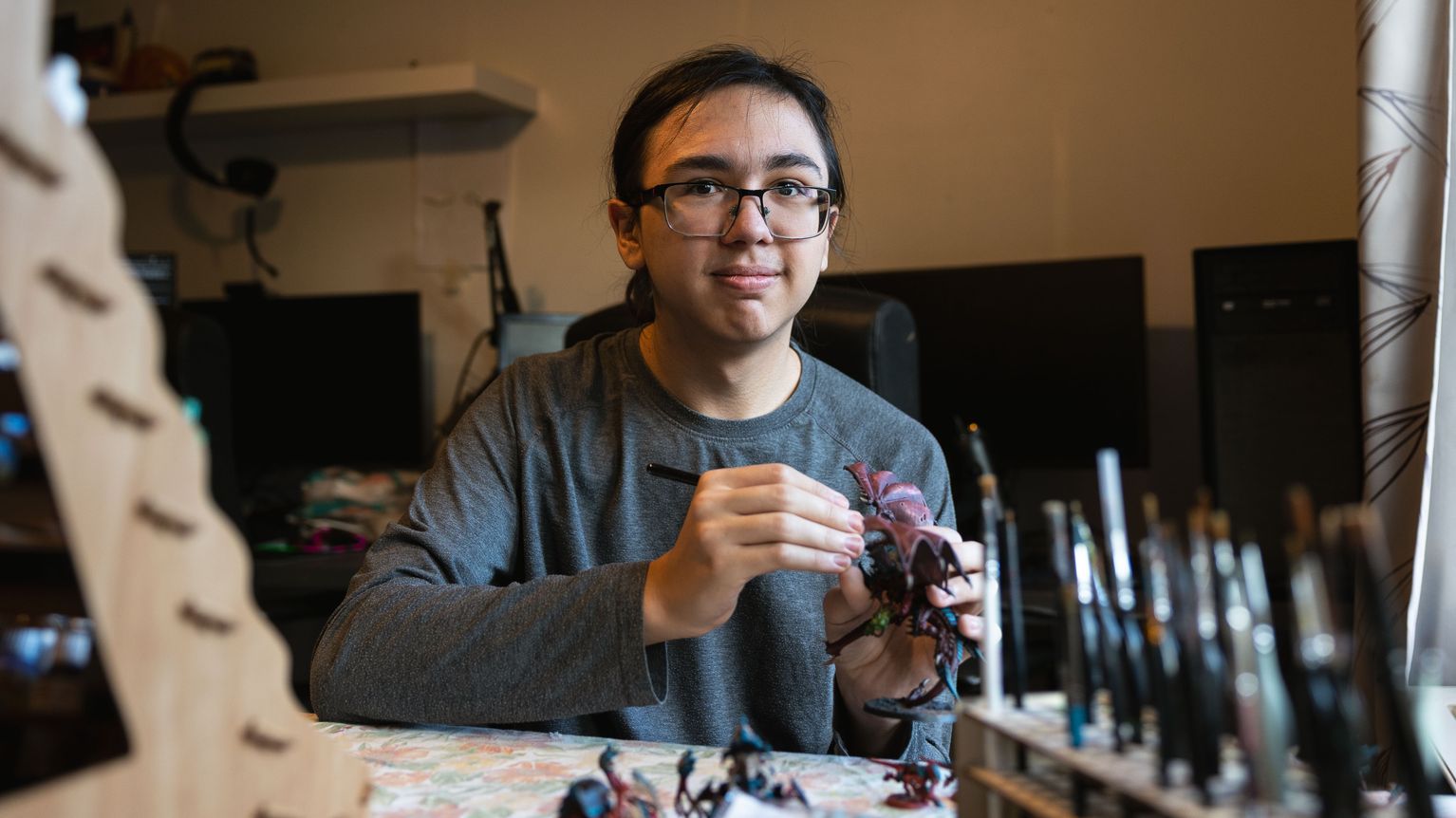
Sixteen-year-old Cameron would like to start his studies in upper secondary school, but he has not yet been able to get in. His family is Finnish-American. Yle reports that programmes meant to help young people like him are in fact preventing him from getting into education.
In Finland, basic education is free of charge and compulsory for all children. Young people should also continue their studies after basic education, for example in upper secondary school or vocational education. This is important, because a second-level qualification makes it easier to find work and further studies. That is why many young people need support when the transition onward is difficult.
In Cameron's case, the family feels that the system is not working as it should. According to the article, the purpose of support programmes is to help children, but in practice they are delaying his school path. The article's headline emphasises a principle according to which all children deserve an education. Based on the source, the exact reasons and the position of the authorities have not yet been fully clarified.
The case raises the question of how the education system looks after young people who have a multilingual or international background. Cameron's family hopes that his situation will be resolved soon, so that the boy can start his studies and continue his life in line with his plans.
Sources: Yle
More Finland news
- Finland to test emergency warning system on 24 November
- Orpo government policies took 80 euros a month from the poorest
- Nigel expands its product range with more affordable PXI cards
- Craze launches AI video tool for creative work and timeline editing
- Myrskylän ohjelmistoyritys nousi Suomen kärkikasvajiin
- Germany backs down from threat: 2027 Ice Hockey World Championships to remain in Germany
- Fuel prices in Finland: diesel price above 2.50 euros per litre
- Ilse Aigner could become Germany's first female president