The defense industry in France: a sector undergoing transformation
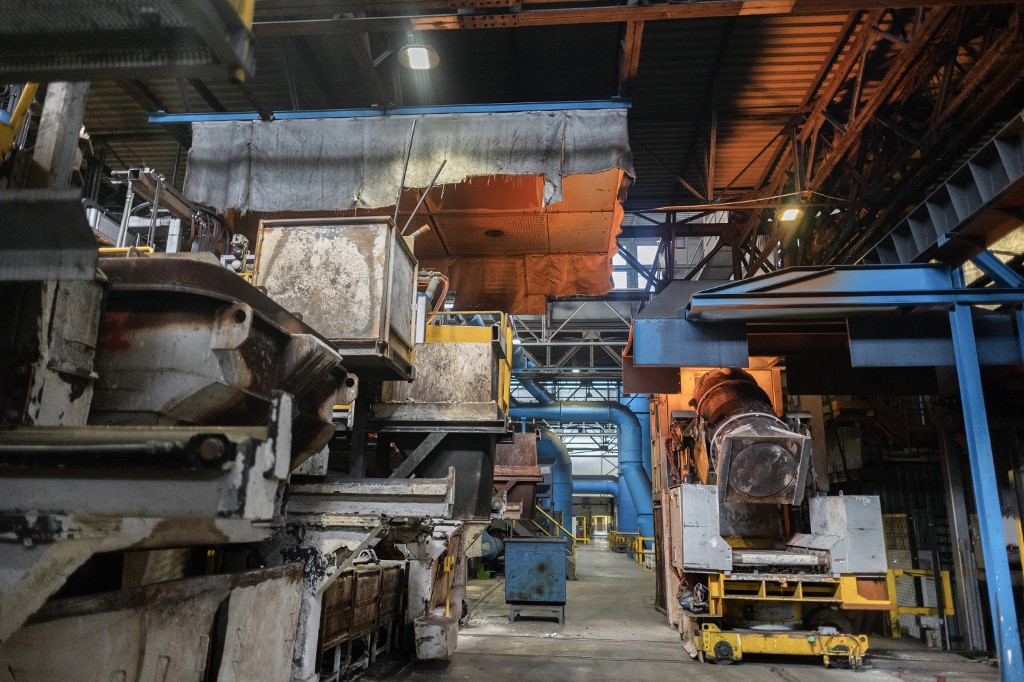
The French government has recently emphasized the strategic importance of the defense industry. In an increasingly unstable international context, President Emmanuel Macron is calling for a "war economy." This initiative aims to accelerate the production of military equipment to ensure national security and support France's international commitments.
Companies in the sector, such as Dassault, Thales, or Nexter, are at the heart of this change. They must now increase their production rates and innovate more rapidly. For the workforce, this dynamic is creating new jobs, but it also raises questions about working conditions. Trade unions remain vigilant to ensure that this industrial growth also benefits employees in terms of wages and training.
On the political front, this strategy requires massive investment from the State. The defense budget is increasing sharply, which is sparking debates in Parliament. Some elected officials are concerned about the budget balance and fear that this military spending will come at the expense of other essential sectors, such as health, education, or the ecological transition.
Furthermore, this desire to strengthen French industrial autonomy has a European dimension. France wishes to encourage its neighbors to invest more in their own production capacities in order to reduce dependence on foreign powers. This is a matter of sovereignty that transcends national borders and concerns the future of common defense in Europe.
In conclusion, the transformation of the defense industry is a complex subject that affects the economy, politics, and society alike. As the country adapts to new global challenges, the major challenge will be to reconcile these military ambitions with the daily needs of the French population.