Where are French cars manufactured today?
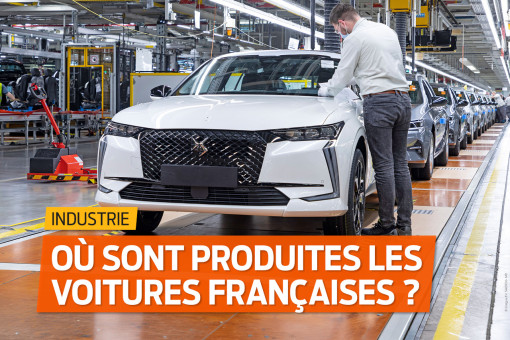
The French automotive industry is going through a period of major transformation. As historic manufacturers like Renault, Peugeot, and Citroën seek to remain competitive in the global market, the question of the location of their factories is becoming a central topic for consumers and policymakers in France.
Historically, the major French brands produced the majority of their models within the national territory. However, to reduce production costs, many factories have been relocated to countries where labor is cheaper, particularly in Eastern Europe, Morocco, or Turkey. Today, a "French" car is therefore not necessarily assembled in France.
Despite this trend, a desire for "relocation" is emerging. The French government is actively encouraging manufacturers to produce their new electric models in France. Iconic sites, such as those in Douai or Sochaux, are being modernized to accommodate battery vehicle assembly lines, supported by public aid and significant private investment.
This strategy aims to strengthen the country's industrial independence and reduce the carbon footprint linked to vehicle transport. However, the transition remains complex because it requires training workers in new technologies and securing supply chains for electronic components, which are often imported from Asia.
In conclusion, the map of French automotive production is in the midst of change. While a large part of manufacturing remains located abroad, current efforts mark a clear desire to bring part of the industry back to national soil, thereby transforming the economic landscape of French regions.