Germany has approved a law letting authorities use AI on asylum, visa and residence cases, including checking your account against the open internet
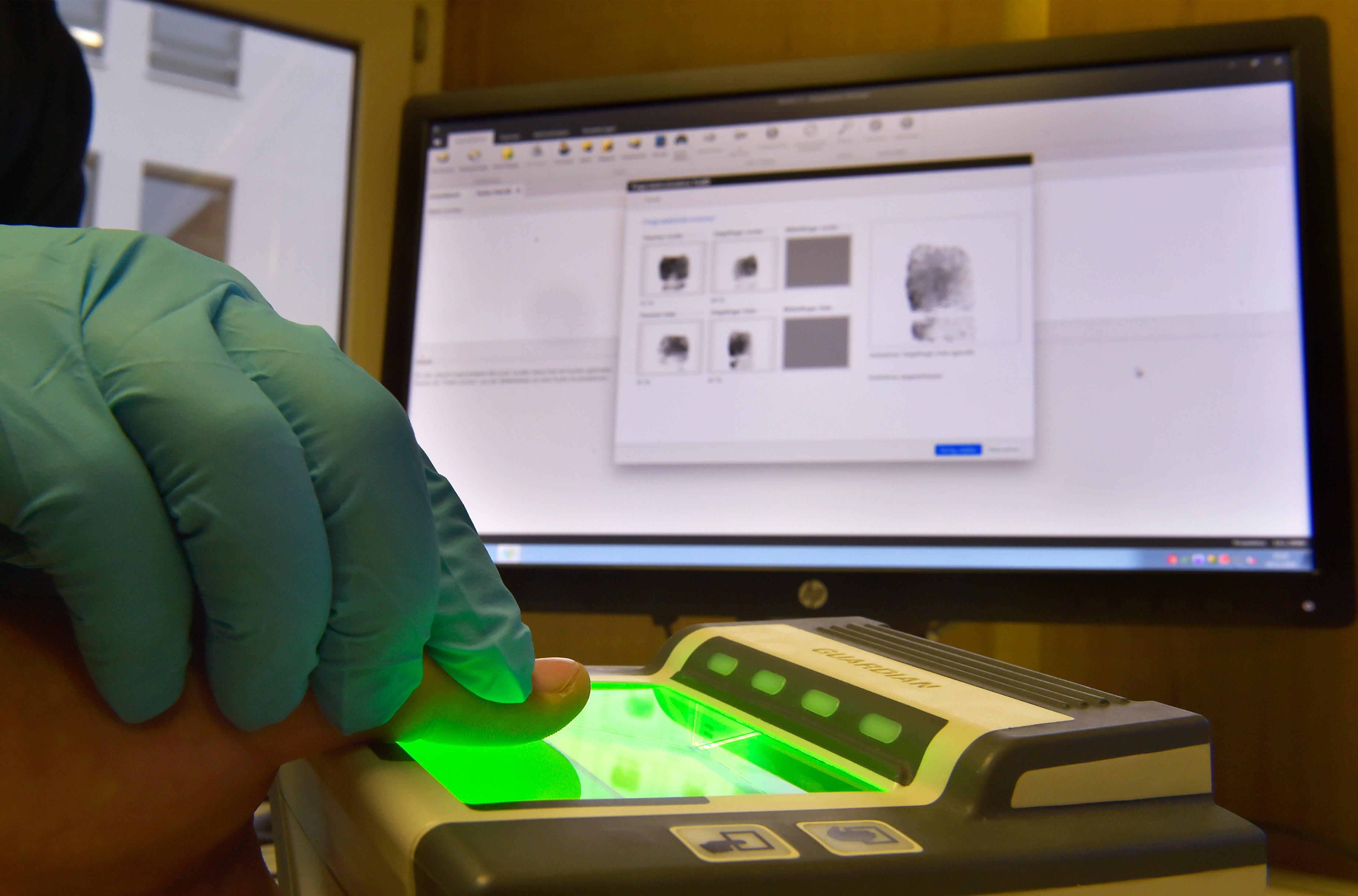
The federal cabinet has approved a draft law allowing artificial intelligence to be used across migration administration. It covers the asylum office, the local foreigners' offices and the foreign ministry's visa procedures, and the government's stated aim is to make asylum and residence proceedings faster, more consistent and more secure.
The draft sets out three uses. First, AI systems may be trained on real personal data taken from applications. The interior ministry argues that anonymising or pseudonymising the material could mean important connections in a case are no longer recognised or correctly assessed. Second, completed cases may be analysed across files to find patterns and identify where procedures can be sped up. Third, and most directly relevant to anyone with a case open, where there are justified doubts about the accuracy of what an applicant has said, authorities will be allowed to run an automated comparison against publicly available information on the internet.
The stated purpose of that checking is to test statements that look contradictory, incomplete or unusual, and to detect structural patterns across applications. The draft is explicit that the legal assessment and the final decision in each individual case stay with the human caseworker, and that the individual examination and decision remain entirely their responsibility. The systems are described as assistance tools.
That reassurance is exactly what critics dispute. The refugee rights organisation Pro Asyl called the plan highly dangerous and warned of breaches of personality rights and a risk of discrimination. A lawyer at the Society for Civil Rights argued that error-prone and discrimination-prone systems are being introduced precisely where individual protection and human lives are at stake, and that automated prompts will in practice shape which parts of a case get examined closely, even where a human formally signs the decision.
The practical points for anyone with an application running are these. Information you have posted publicly online may be compared against what you have told the authorities, so consistency matters. The law is a draft and still has to pass parliament, and a person, not a machine, remains formally responsible for the outcome.