‘Not in my basement’: Why has Germany been so slow to adopt smart meters and what’s it costing?
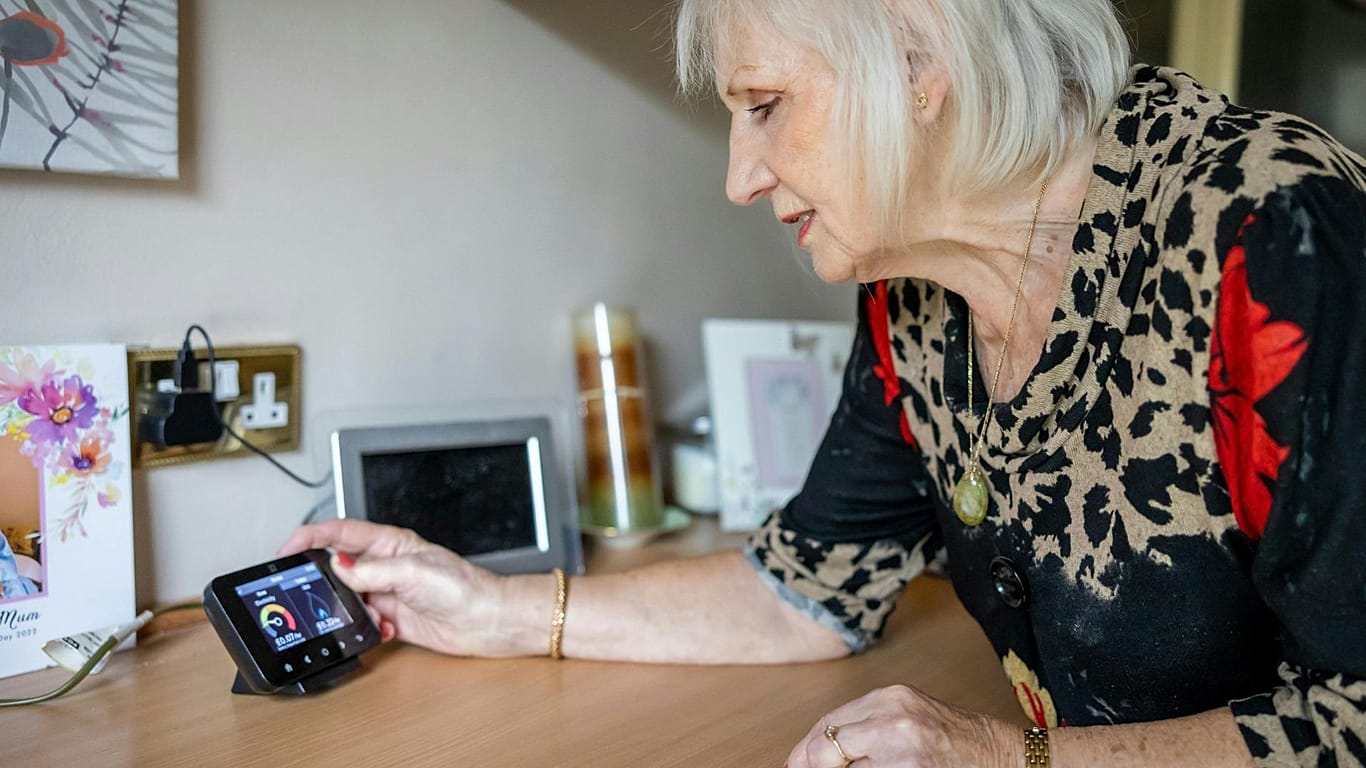
Germany is falling far behind other European countries in installing smart meters (intelligent electricity meters), raising concerns about the country’s ability to modernise its energy system and manage growing renewable power.
Smart meters are designed to provide households and energy companies with real-time information about electricity consumption. They can help consumers use electricity more efficiently, benefit from flexible electricity prices, and support the integration of renewable energy sources such as wind and solar power into the grid.
However, Germany’s rollout has progressed extremely slowly compared with many European neighbours. While around 60 percent of European households had smart meters installed by 2024, Germany had equipped only about two percent of households with advanced smart meter systems. Countries such as Denmark, Sweden, Italy and Spain have moved much faster with nationwide adoption.
One major reason for Germany’s slow progress is public resistance and concerns about privacy, costs and data collection. Some homeowners have opposed the installation of new digital meters, while complex regulations and technical requirements have also delayed the expansion. Critics argue that Germany’s cautious approach has prevented the country from taking full advantage of digital energy technology.
The delay could become increasingly expensive as Germany expands renewable energy, electric vehicles, heat pumps and home energy storage systems. Smart meters are considered essential for balancing electricity supply and demand because wind and solar production depend heavily on weather conditions. Without faster digitalisation, Germany risks wasting renewable energy and facing higher costs for managing its power network.
The German government is now trying to accelerate the rollout. New measures aim to increase installation rates and create simpler solutions, including possible smart meter light systems for some households. Officials hope the changes will help Germany catch up with other European countries and build a more flexible, climate-friendly energy system.