Germany records 231 anti-Muslim offences amid rising Islamophobia concerns
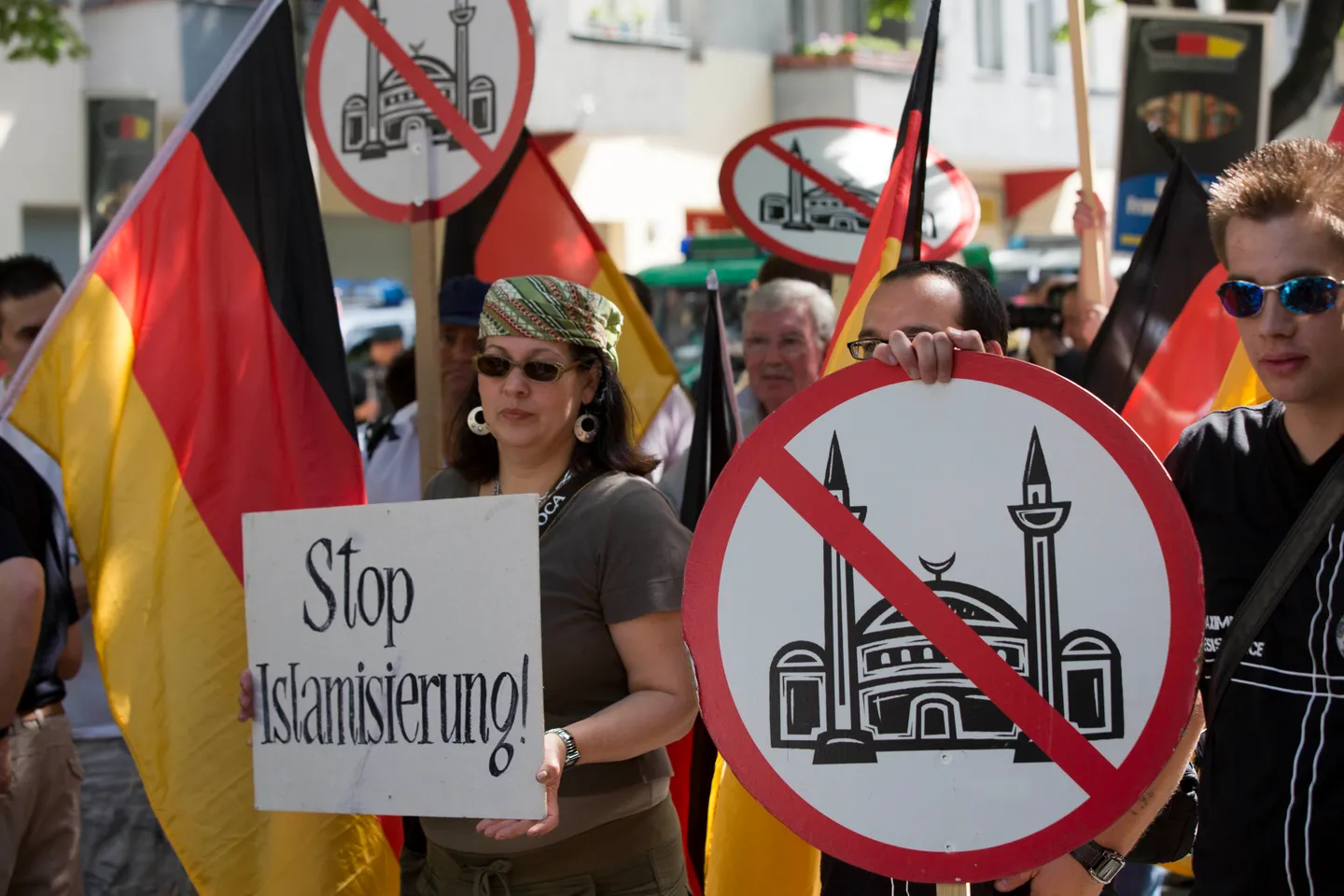
German authorities recorded 231 anti-Muslim criminal offences during the first half of 2026, including violent attacks, threats and hate crimes, according to newly released government data. Officials warned that the figures remain provisional and could still change.
The figures were released following a parliamentary inquiry by Green Party lawmakers. Police identified 127 suspects in connection with the reported offences, but no arrests were made. Of the 231 cases, 33 took place online, highlighting the role of digital platforms in spreading anti-Muslim hostility.
Authorities recorded 44 cases of incitement to hatred, while 13 involved symbols linked to unconstitutional organisations. There were also 11 violent offences, nine cases involving coercion or threats and three incidents of property damage. Another 47 cases were classified as other offences.
Although the number is concerning, it is lower than the previous year. Germany recorded 489 anti-Muslim criminal offences during the first half of 2025 and another 543 during the second half. However, the government stressed that the latest 2026 figures could increase as delayed reports are added and existing cases are revised.
Anti-Muslim incidents have also been reported in several areas of everyday life. The Federal Anti-Discrimination Agency received 58 complaints related to the labour market and 42 concerning private services and access to goods. Other incidents were reported in education, healthcare, public spaces, law enforcement and the judiciary.
The incidents are recorded through Germany’s KPMD-PMK (Criminal Police Reporting Service in Cases of Politically Motivated Crime), which tracks politically motivated offences. However, representatives of Germany’s Muslim community say the official figures may not show the full extent of the problem because many incidents are never reported to police or may not be classified as anti-Muslim crimes.
Ali Mete, secretary-general of the Islamic Community Milli Gorus (IGMG), said the figures demonstrate that anti-Muslim attacks remain a serious problem. He argued that every registered case represents an individual victim and stressed that victims must be taken seriously and consistently protected.