Germany in the Race for Quantum Computing: Top-Tier Research, Application Still in Early Stages
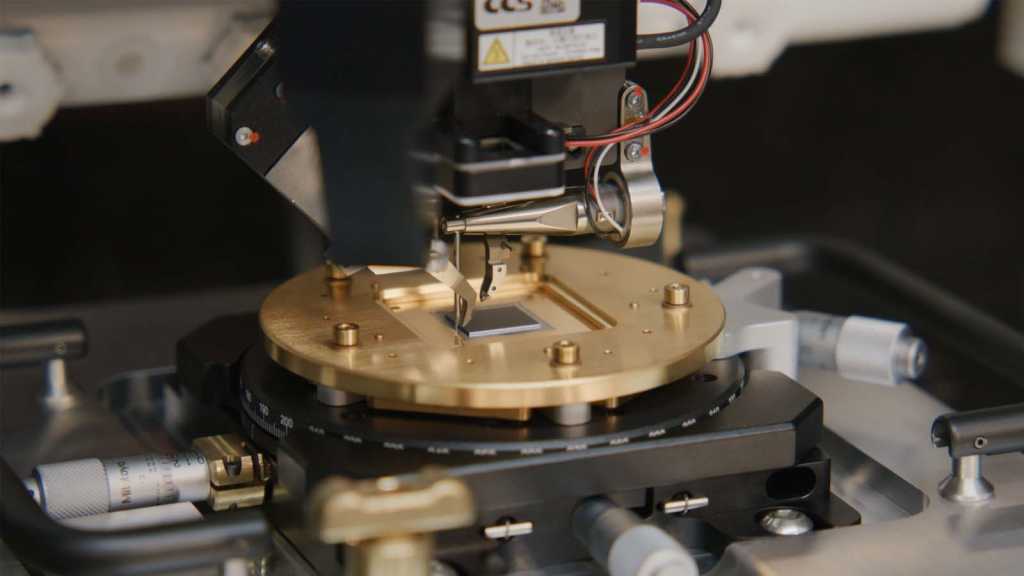
Quantum computers are considered the future of technology. They are theoretically capable of solving complex tasks in seconds that would take conventional supercomputers many years. Germany aims to take a leading global role in this field and has invested heavily in research in recent years.
Current analyses show that Germany is already a true "heavyweight" in global comparison. The country has successfully positioned itself in international competition. Universities and state-funded institutes, in particular, are working intensively on hardware and software for the computers of tomorrow. This places Germany among the world leaders in science, alongside the USA and China.
However, despite the successes in research, there is a central challenge: industrial application. While science is making great strides, the use of the technology in the German economy is still in its infancy. Although many companies are aware of the potential, they have hardly implemented quantum computing in practice so far.
This development is of great importance for Germany as a business location. Experts emphasize that quantum computers could revolutionize many industries, for example in logistics, the development of new drugs, or materials research. To avoid losing touch with global market leaders, the bridge between the laboratory and the factory must be built more quickly.
In summary, the foundation for a successful technological future in Germany has been laid. The coming years will now show whether it is possible to transform theoretical excellence into economic success. Only through stronger cooperation between research and industry can Germany secure its position in the long term.