Fine dust and nitrogen dioxide linked to worse diabetes control
Published
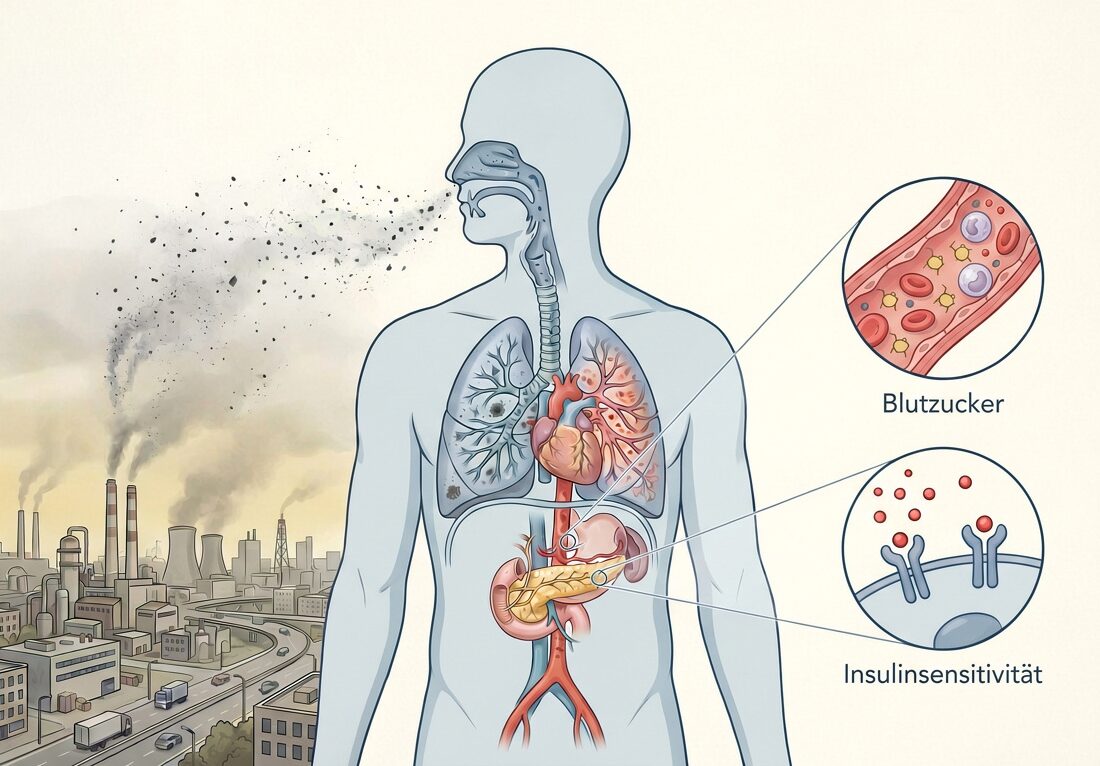
A study of 1,120 adults suggests fine dust and nitrogen dioxide are tied to poorer blood sugar control in type 2 diabetes. About one in three people in Germany lives in a big city and is more often exposed to this pollution. German researchers' findings were first reported by Biermann Medizin on 25 November.
Air pollution is one of the largest environmental health risks worldwide, according to the World Health Organization (WHO). Earlier studies had already hinted at links between air pollutants, higher HbA1c values and a greater risk of diabetes. The study, published in the journal Diabetologia, examined these effects for the first time using especially reliable measuring methods.
Researchers from the German Diabetes Center (DDZ) and the Leibniz Institute for Environmental Medicine Research (IUF) analysed data from the German Diabetes Study (GDS). The participants were adults aged 18 to 69 whose type 1 or type 2 diabetes had been newly diagnosed within the last twelve months. The team used hyperinsulinemic-euglycemic clamp tests and a glucagon stimulation test to measure insulin sensitivity and insulin production. In type 2 diabetes, long-term exposure to fine dust and nitrogen dioxide went along with higher HbA1c values, lower insulin sensitivity and reduced insulin breakdown.
Source: Biermann Medizin
Sources: Biermann Medizin
More Germany news
- Merz Rejects €1.78 Trillion EU Budget Plan at Brussels Summit
- Lidl Recalls Goose Breast Over Salmonella, Best Before 10 December
- GTA 6 causes console crashes on PS5 and Xbox Series X
- DESY and European XFEL improve their X-ray laser world record
- Motorola Signature 27 costs 500 euros more in Germany
- Players find hidden Scarface chainsaw scene in GTA 6
- Jugendzentrum Poing lehnt GTA VI wegen Gewaltdarstellung ab
- Three Werder Bremen athletes are heading to US colleges