Health Apps: Why we are not yet reaching our digital potential
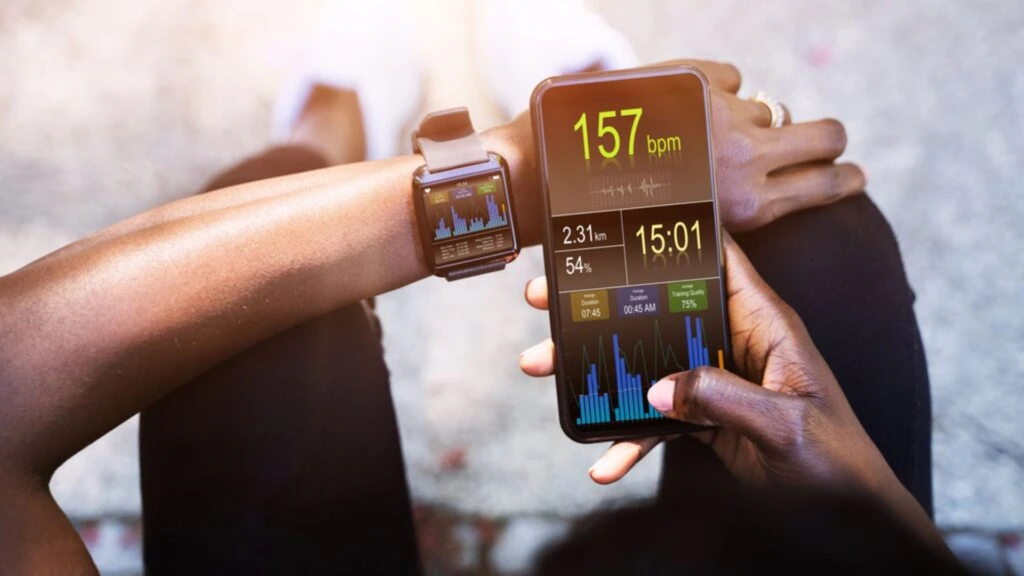
More and more people in Germany are using digital assistants for their health. Fitness trackers on the wrist or special health apps on smartphones are intended to help people better understand their own bodies and lead a more active lifestyle. But although the range of technical solutions is constantly growing, actual usage often falls short of expectations.
Modern technology offers many opportunities to improve one's fitness. The devices can count steps, analyze sleep, or even monitor heart rate. Experts emphasize that this data can provide valuable insights for a healthier way of life. They help users reflect on their daily habits and adjust them if necessary.
Nevertheless, current reports show that many consumers are not utilizing the full potential of these applications. Often, the devices are set aside after an initial phase of enthusiasm or are used only very irregularly. One reason for this is the complexity of the data: many users do not know exactly how to meaningfully integrate the collected information into their everyday lives.
Another point is data protection, which unsettles many people in Germany. The concern that sensitive health data could fall into the wrong hands leads some users to remain hesitant about using the apps. Furthermore, there is often a lack of clear guidance on how digital data can be combined with medical advice.
In summary, fitness trackers and health apps represent a great opportunity for personal preventative healthcare. However, for this technology to offer real added value, the applications must become more user-friendly and consumer trust must be strengthened. Only then can digital assistants find a permanent place in our health awareness in the long term.