More East Germans in leadership positions: Slow progress
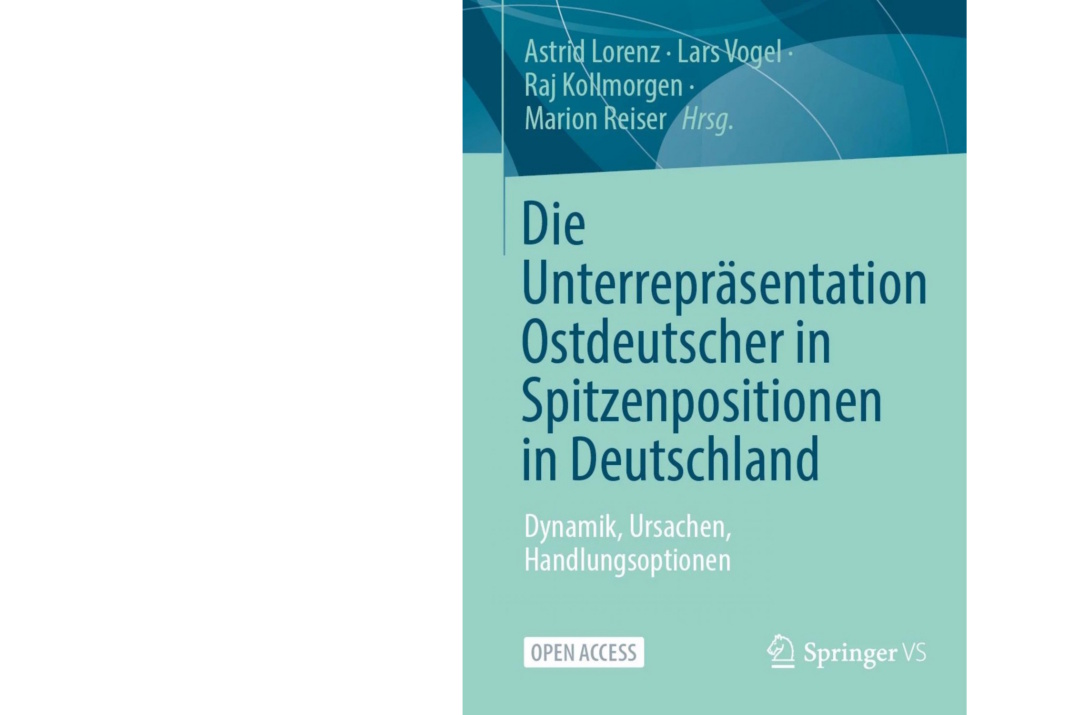
A recent study from Leipzig shows a positive but slow development in the German professional world. The so-called "Elite Monitor" analyzed how many people from the East German federal states work in influential leadership positions across Germany. The results make it clear that the proportion of these individuals has risen slightly in recent years.
Between 2018 and 2024, the share of East Germans in top positions increased from 10.9 percent to 12.1 percent. Although this increase is statistically measurable, the proportion remains low compared to the total population. The study examines various sectors, including business, politics, and the media.
Experts have been closely monitoring these figures for years, as the representation of East Germans in executive suites remains an important issue for social unity. Despite the positive trend, the data show that people from the new federal states are still underrepresented in the country's highest offices.
The study clarifies that the path to an even distribution of leaders from all parts of Germany will still take time. The authors of the study emphasize that this development is an important indicator of integration and equal opportunity in the German labor market.