EU law – everyone should be able to see what their colleague earns
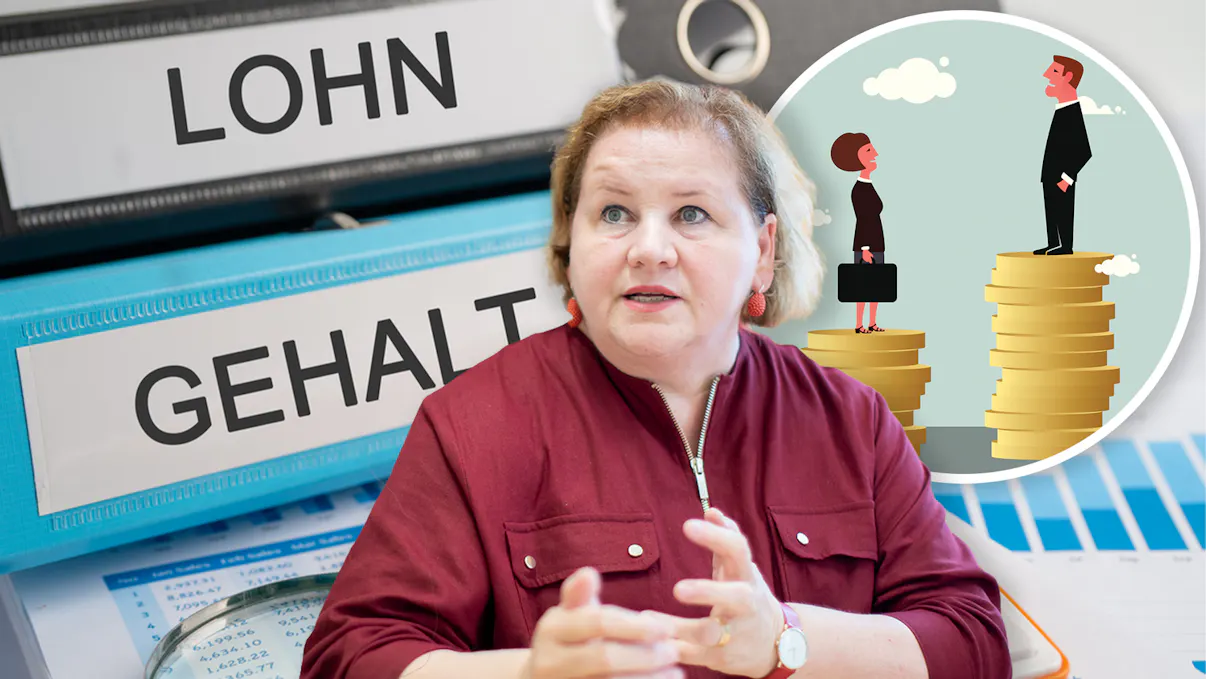
A new European Union law is transforming workplace pay transparency by giving employees greater access to salary information and making it harder for companies to hide unjustified pay differences.
The new EU Pay Transparency Directive is designed to strengthen the principle of equal pay for equal work and reduce the gender pay gap across the European Union. Under the rules, employees have the right to request information about their own salary as well as the average pay of colleagues performing the same work or work of equal value. However, employers are not required to disclose the exact salary of individual coworkers. Instead, they must provide average pay levels, broken down by sex, for comparable roles.
The directive also introduces major changes to the hiring process. Employers must inform job applicants about the starting salary or salary range before the interview or in the job advertisement. Companies are also prohibited from asking candidates about their previous salary, a measure intended to prevent historical pay inequalities from following workers throughout their careers.
Large employers will face additional reporting obligations. Companies with at least 100 employees must regularly monitor and report gender pay gaps. If an unexplained pay gap of more than 5% is identified, employers may be required to carry out a joint pay assessment with employee representatives and take corrective action. Workers who experience pay discrimination will also have stronger legal protections and may seek compensation through national legal systems.
EU member states were required to transpose the directive into national law by June 2026, although implementation timelines vary by country. The legislation is expected to increase salary transparency, improve fairness in the workplace, and encourage employers to review their compensation practices. While some critics fear additional administrative burdens for businesses, supporters argue the new rules will help eliminate unjustified pay disparities and create a more transparent labor market across Europe.