Germany puts the squeeze on Lime and Bolt with tougher e-scooter liability rules
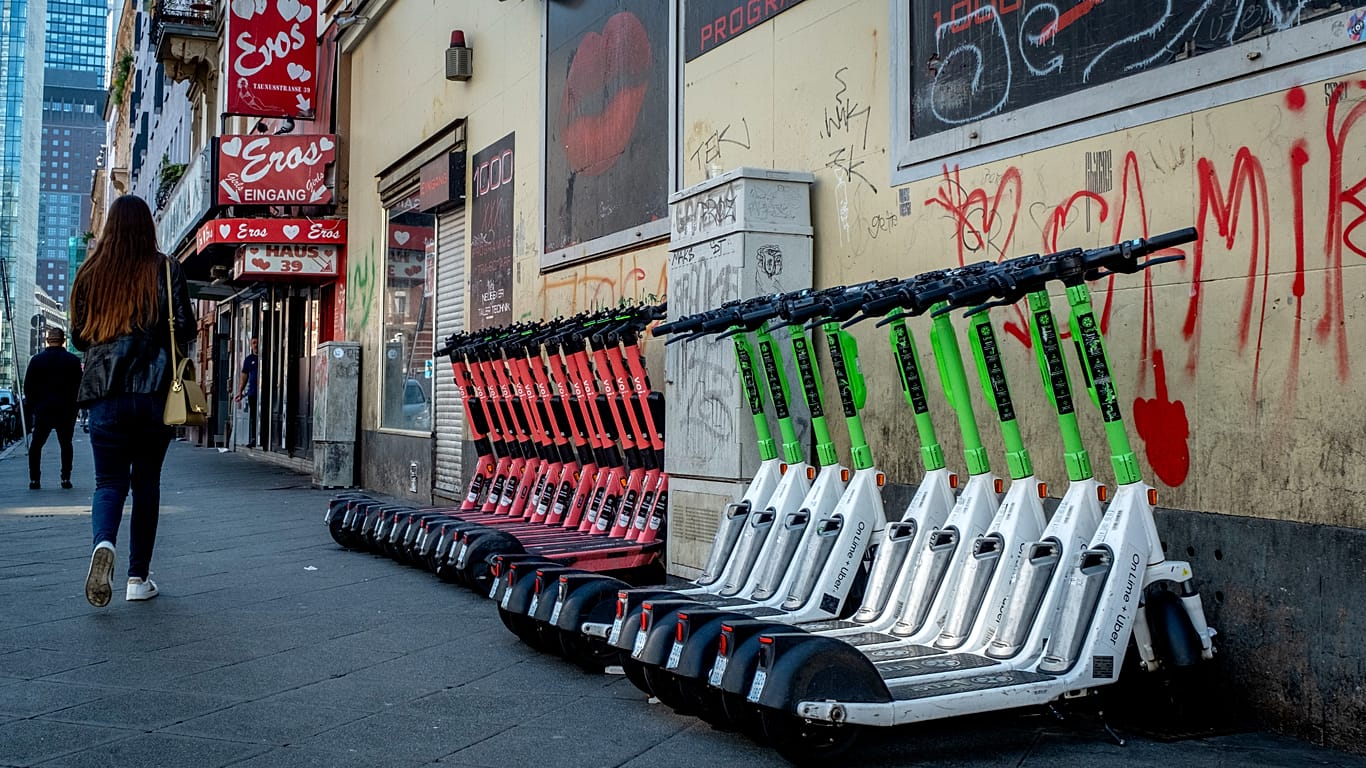
Germany is introducing tougher legal rules that will make rental e-scooter companies directly responsible for accidents involving their vehicles, making it much easier for victims to claim compensation.
The new legislation closes a legal loophole that often left accident victims without compensation because they had to prove an individual rider was at fault. In many cases, this was nearly impossible when the rider could not be identified. Under the new system, companies operating rental scooters, including Lime and Bolt, will be held liable as vehicle owners, regardless of fault, while riders will generally be presumed responsible unless they can prove otherwise.
The law also covers accidents caused by rental e-scooters that are left blocking pavements or public walkways. Germany's Federal Ministry for Justice and Consumer Protection argues that companies benefiting financially from scooter rental services should also bear the risks associated with them. The government says the existing rules no longer reflect the rapid growth of shared e-scooters across German cities.
The move follows a sharp increase in both e-scooter use and related accidents. According to the German Insurance Association, the number of insured e-scooters rose from about 180,000 in 2020 to nearly one million in 2023. Although rental scooters accounted for only around 20% of insured e-scooters, they were involved in roughly 40% of insurance claims. Third-party damage claims also climbed dramatically, increasing from around 1,150 in 2020 to approximately 5,000 in 2024.
Germany's tougher approach reflects a wider European trend toward stricter regulation of shared e-scooters. Several cities have already imposed restrictions or removed rental services over safety and public-space concerns. Paris ended shared e-scooter rentals in 2023 following a public vote, Madrid revoked operators' licences in 2024, Prague removed shared scooters from its streets in early 2026, and Brussels plans to ban them from January 2027.