Germany 'insufficiently prepared’ for extreme heat as transport and roads closed by 41C temperatures
Germany is struggling to cope with an extreme heatwave after temperatures soared to **41.7°C**, forcing road closures and major transport disruptions. Officials warn the country is still poorly prepared for severe heat events.
The **Deutscher Wetterdienst (DWD) (German Weather Service)** recorded a provisional high of 41.7°C in a rural area of **Brandenburg**, marking the third consecutive day of record-breaking temperatures. The country also experienced **Tropennächte (tropical nights)**, where temperatures stayed above 20°C overnight, leaving residents with almost no relief from the heat.
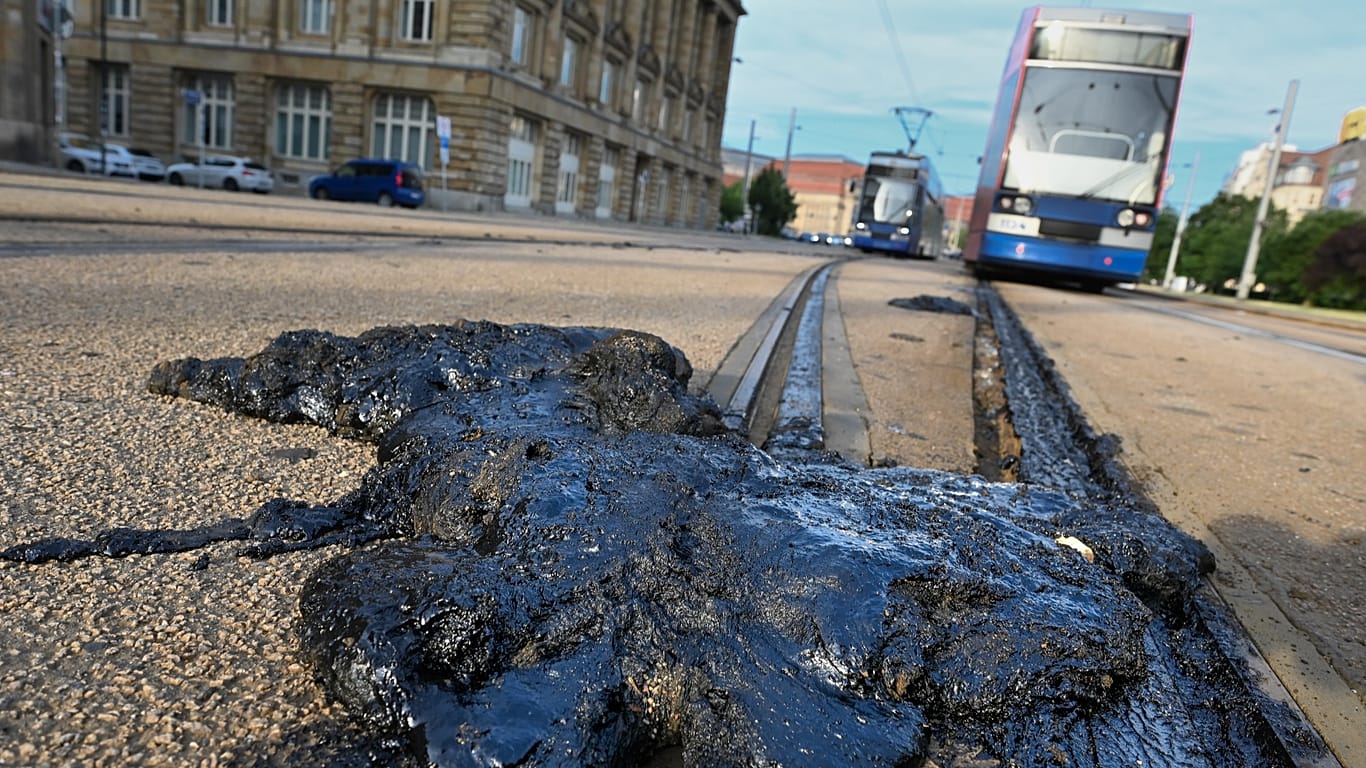
The scorching conditions caused widespread infrastructure damage. Large sections of motorways in **Brandenburg** and **Sachsen-Anhalt (Saxony-Anhalt)** were closed after intense heat damaged road surfaces, while drivers were advised to avoid the heavily used A2 highway. In **Leipzig**, melting asphalt above tram tracks forced major tram routes to shut down, creating severe travel disruption.
Health experts say the heatwave has exposed major weaknesses in Germany’s emergency preparedness. Just weeks before temperatures crossed 40°C, the **Bundesärztekammer (German Medical Association)** urged urgent action to ensure hospitals, care homes, and clinics remain functional during extreme heat. These facilities face rising pressure as elderly people, infants, and vulnerable patients become more likely to suffer heat stress.
Medical experts are particularly concerned about the lack of cooling systems in healthcare facilities. **Susanne Johna** said that while most intensive care units are air-conditioned, broader protection remains limited. She noted that only about one-third of hospitals have air-conditioned patient rooms, raising concerns about patient safety during future heatwaves.
The heat crisis extends beyond Germany. According to the **World Health Organization (WHO)**, more than **1,300 excess deaths** linked to the European heatwave have been recorded since June 21. In **France**, emergency rooms have reported a sharp rise in heat-related cases, including a major increase in cardiac emergencies.
Scientists say climate change is making such extreme heat more common and more dangerous. Research by **World Weather Attribution (WWA)** found that both daytime and nighttime temperatures seen during this heatwave would have been nearly impossible around 50 years ago. Experts warn that continued fossil fuel emissions are accelerating these dangerous weather events, with Europe now witnessing heat records broken at an alarming pace.