Syrian criminal clans: How is Germany attempting to address the problem?
Germany is stepping up efforts against criminal clan structures, with authorities particularly concerned about several Syrian families in Saxony. Police say criminal activity remains a serious threat, while warning against treating the wider Syrian community as responsible.
Saxony’s Landeskriminalamt (LKA, State Criminal Police Office) estimates that between 700 and 1,000 people in the state belong to Syrian clans. Around 130 people are known to police for offences including violence, drug trafficking, money laundering, tax crimes, people smuggling, document offences and fraud.
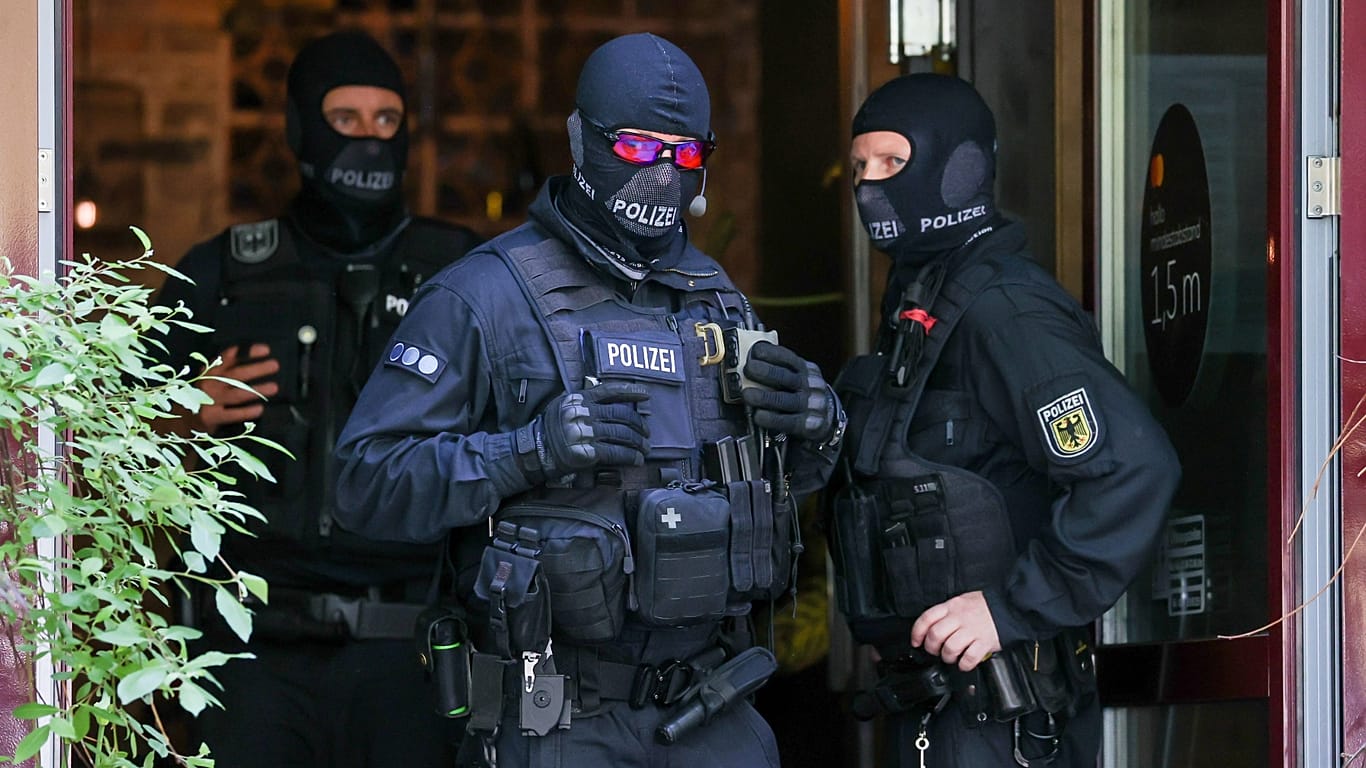
In Leipzig and surrounding areas, four large Syrian families have attracted particular attention from investigators. Authorities have also seized firearms and investigated suspected fraud involving social benefits. During a major raid in April 2026, police searched around 50 apartments and businesses as part of investigations into alleged people-smuggling networks.
Investigators say some suspects allegedly used relatives and other associates to conceal criminal activities, including registering vehicles and bank accounts in other people’s names. Authorities are also investigating claims that identity documents were sent to Syria so that people with similar appearances could enter Germany under false identities.
Saxony’s Taskforce Clan, established in October 2023, brings together investigators from the LKA, Federal Police, customs, tax authorities and riot police. The unit says it has already been involved in around 40 major operations targeting clan-related crime, with several suspects arrested, prosecuted or sentenced to prison.
Similar task forces operate in North Rhine-Westphalia, Berlin and Lower Saxony. North Rhine-Westphalia Interior Minister Herbert Reul has described his approach as a “policy of a thousand pinpricks”, involving repeated inspections, searches and criminal complaints designed to disrupt criminal networks.
However, experts warn against portraying all Syrians as connected to criminal clans. Political scientist Mahmoud Jaraba stresses that the overwhelming majority of Syrians living in Germany have nothing to do with organised crime. He also says tensions between established families and newer Syrian groups can involve political, ethnic and historical conflicts carried over from Syria and Lebanon.
Official figures also show that so-called clan crime represents only a small proportion of overall crime. In Berlin, North Rhine-Westphalia and Lower Saxony, offences classified under clan crime accounted for between 0.16% and 0.59% of all recorded offences in the states. There is no nationwide, uniform statistical category for clan crime.
Germany’s Federal Criminal Police Office recorded 647 organised-crime investigations nationwide in 2024. Syrian suspects represented 4.7% of suspects in organised crime, making them the third-largest nationality group after German and Turkish suspects. Authorities estimate that clan-related crime caused €15.6 million in financial losses that year.
German authorities say the strategy is not limited to police raids. Reul has also backed prevention programmes aimed at young clan members, hoping to encourage them to break away from criminal structures. The broader goal is to disrupt established networks while preventing younger generations from becoming involved in crime.