Recovery or ruin: Can Germany escape the crisis?
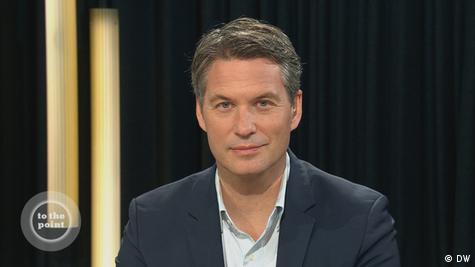
Germany is attempting to overcome years of economic and political challenges through an ambitious reform agenda launched by Chancellor Friedrich Merz's government, with experts divided over whether the plans will restore growth or deepen existing problems.
The country's economy has struggled with weak growth, high energy costs, labor shortages, and declining industrial competitiveness in recent years. The federal government has responded with what it calls a "summer of reforms," introducing measures aimed at boosting investment, modernizing infrastructure, reducing bureaucracy, and improving Germany's long-term economic performance.
Economists and political analysts say the reforms could strengthen Germany's position as Europe's largest economy if they are implemented effectively. However, they caution that meaningful results are unlikely to appear immediately, and the government will face significant challenges in gaining public support while balancing economic growth with social welfare commitments.
The reform program also comes at a politically sensitive time. Public confidence in the government has weakened after years of economic uncertainty, while dissatisfaction over rising living costs and migration has fueled support for opposition parties. Analysts believe the success or failure of the reforms could have a major impact on Germany's political landscape in the coming years.
Experts agree that Germany's recovery will depend not only on government policy but also on global economic conditions, business investment, and public confidence. While the reform agenda offers an opportunity to reverse the country's recent slowdown, many believe its true impact will only become clear over the next several years as the measures are put into practice.