Pensions below the poverty line: This is how many people are affected
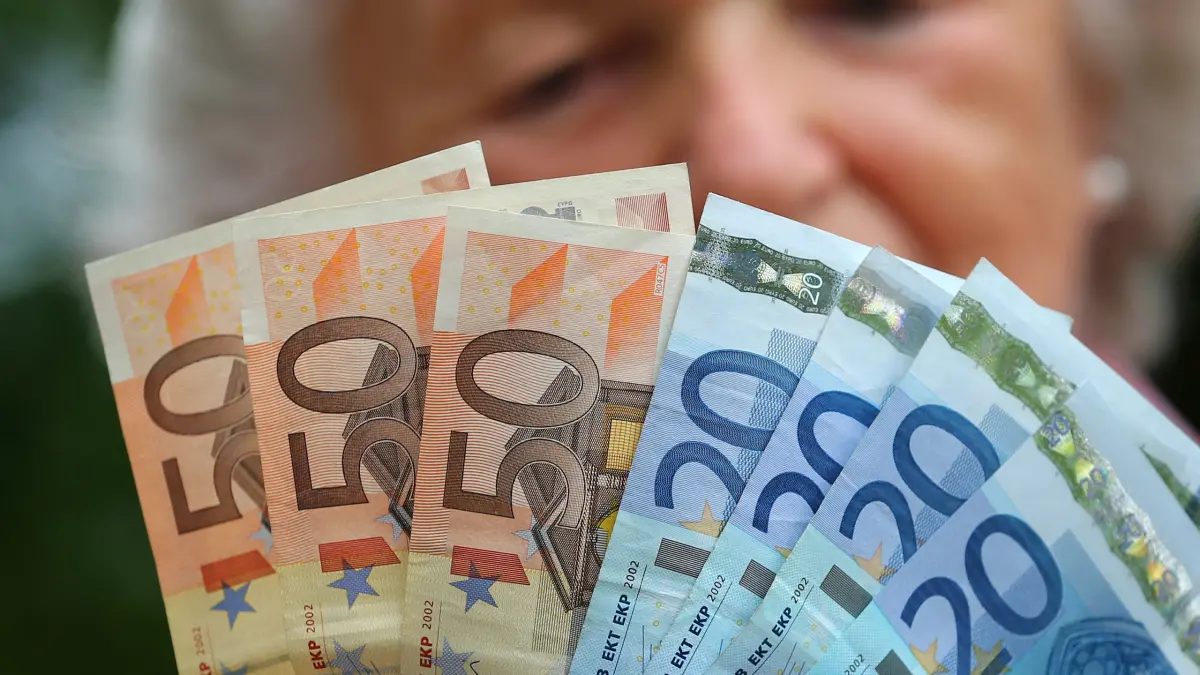
New figures from the German government reveal that most women in Germany received statutory pensions below the poverty threshold in 2025, highlighting growing concerns about old-age poverty despite decades of employment.
According to the data, around 60.9% of women with at least 40 years of contributions to the statutory pension system received less than €1,446 per month—the poverty-risk threshold for a single person in Germany in 2025. Among men with the same contribution history, the figure was significantly lower at 27.8%. The figures were released in response to a parliamentary inquiry by Die Linke (The Left) party.
The data also shows that even a very long working life does not guarantee financial security in retirement. Among women who contributed to the pension system for at least 45 years, 52.4% still received pensions below the poverty threshold. For men with the same number of contribution years, the proportion was 23.6%. Officials noted that contribution years can include periods such as education or unemployment, while part-time employment also reduces future pension payments.
A large gender gap remains in average pension payments. By the end of 2025, men received an average statutory pension of €1,531 per month, while women received just €1,025. Among those who retired during 2025, newly retired men received an average of €1,415 per month compared with €1,039 for women. The government stressed that statutory pensions alone do not reflect retirees' total income, as many also receive occupational pensions, private pensions or other household income.
The figures have intensified calls for pension reform in Germany. Die Linke described the findings as evidence that old-age poverty is no longer an isolated issue and warned that proposed changes, including ending early retirement without deductions after 45 years of contributions, could make the situation even worse. Meanwhile, government data also shows that the number of people relying on basic income support in old age has risen sharply over the past decade, underscoring the growing financial pressure on Germany's pension system.