Small Nuclear Reactors and Greece: What the New Analysis Shows
Published
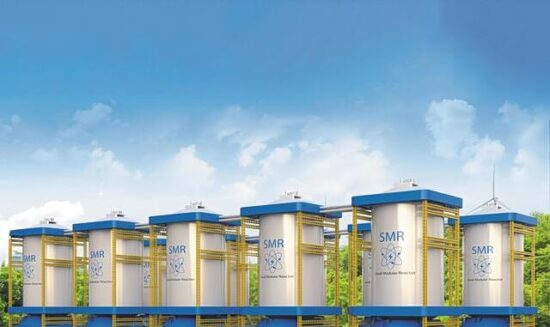
Small modular reactors are a new nuclear energy technology. They are smaller than traditional nuclear power plants and can be built in sections. Many countries are considering them as a possible solution for producing energy. In Greece, the topic is being discussed more and more, and a recent analysis examines how ready the country is to use this technology.
According to the analysis, Greece has strong foundations in two key areas. The first is radiation protection, where the National Committee for Atomic Energy (EEAE), the authority responsible for checking safety and protection from radiation, plays an important role. The second area is research, and in particular the National Centre for Scientific Research "Demokritos".
The analysis assesses the country based on specific criteria. Greece fully meets four of them and partly meets eight. This means there are several positive points, but in some areas coverage is still incomplete. Applying small reactors requires, among other things, a suitable legal framework, investment and public acceptance.
Overall, the analysis shows that Greece has significant scientific and institutional infrastructure for this issue. The state's next decisions will determine whether and how the country moves forward with this technology.
Sources: mononews.gr
More Greece news
- Rules for artificial intelligence must be set from the start, says Carnegie Mellon professor
- How well protected is Greece from cyberattacks?
- Rebrain Greece: Next Munich Event with 35 Leading Companies
- How prepared is Greece for cyberattacks?
- Mitsotakis: Citizens will decide the country's direction in 2027
- The 5th Innovation Forum “Unboxing the Future” in Athens on 27 November
- Antimicrobial resistance: a silent threat to public health in Greece
- Greece gets access to the European Epi+ platform for detecting health threats