The challenges of political leadership in Greece: An analysis for the future
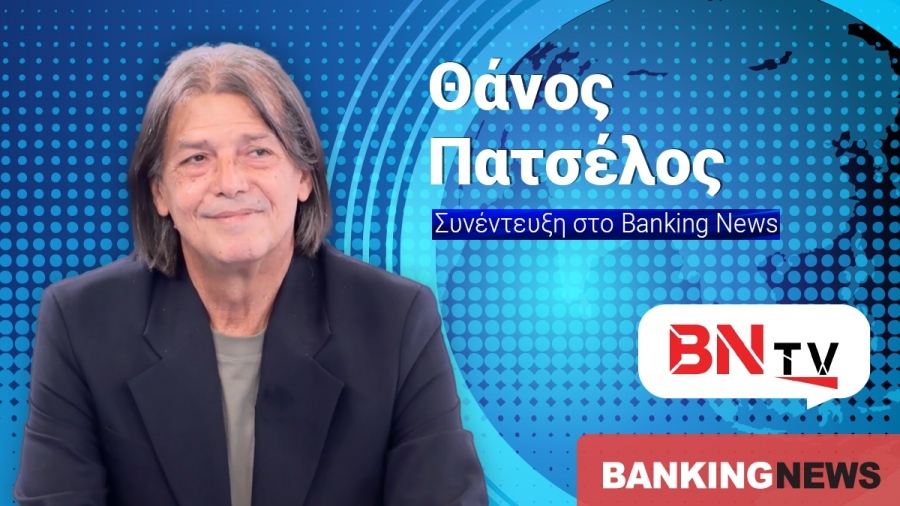
The political scene in Greece is in a period of intense debate regarding the role of leaders in modern parties. Recently, analysts and officials who have served as advisors to previous governments examined the difference between a "leader" and a "chief," sparking public interest.
At the center of the criticism were the strategic choices of Prime Minister Kyriakos Mitsotakis, the leader of the official opposition Alexis Tsipras, as well as the president of PASOK, Nikos Androulakis. Analysts argue that many of the problems parties face today stem from the lack of a clear leadership identity that inspires citizens.
According to the views expressed, a common mistake of political leaders is the focus on communication management instead of substantive policy production. The ability to listen to the needs of society and propose solutions that stand the test of time is now considered the key to success.
At the same time, it is emphasized that modern politics requires more transparency and less centralization. Citizens, especially the younger generations, are looking for leaders who can synthesize different viewpoints and lead the country with stability within an uncertain international environment.
In conclusion, this discussion highlights the need for a new approach to exercising power. As Greece faces significant economic and social challenges, the question of what is the appropriate way to govern remains more relevant than ever, directly affecting the trust of voters in the political system.