Developments regarding Turkish fighter jets & the heatwave
Today's update focuses on U.S. moves to strengthen the Turkish air force and scientists' warnings about Europe's warming. At the same time, negotiations regarding Iran are entering a critical phase, while Russia is sharply increasing its military spending.
The defense balance in our region may be affected by Donald Trump's intention to satisfy Ankara's request for the supply of engines. The American president stated he is ready to allow the use of General Electric engines for the "Kaan," the first fighter aircraft manufactured by Turkey itself, a move that will significantly enhance its operational capabilities.
Residents of Europe must prepare for more frequent heatwaves, as the continent is warming faster than the rest of the planet. Scientists clarify that the El Niño phenomenon (the periodic warming of waters in the Pacific) is not the primary cause of the high temperatures in France or Britain, emphasizing that general climate change poses the greatest risk to the region.
Stability in our broader neighborhood remains uncertain, despite the initial agreement between the U.S. and Iran to end the war. A 60-day "marathon" is beginning to resolve critical issues, such as Tehran's nuclear program and control over the Strait of Hormuz, through which a large portion of the world's oil passes. At the same time, the Italian government categorically denied claims by Mark Rutte that 500 American aircraft used bases in Italy for operations in Iran.
On the Russian front, Vladimir Putin is now directing 40% of the state budget toward defense and security. The Russian president claimed that NATO is preparing for a conflict, thereby justifying the massive increase in his country's military spending.
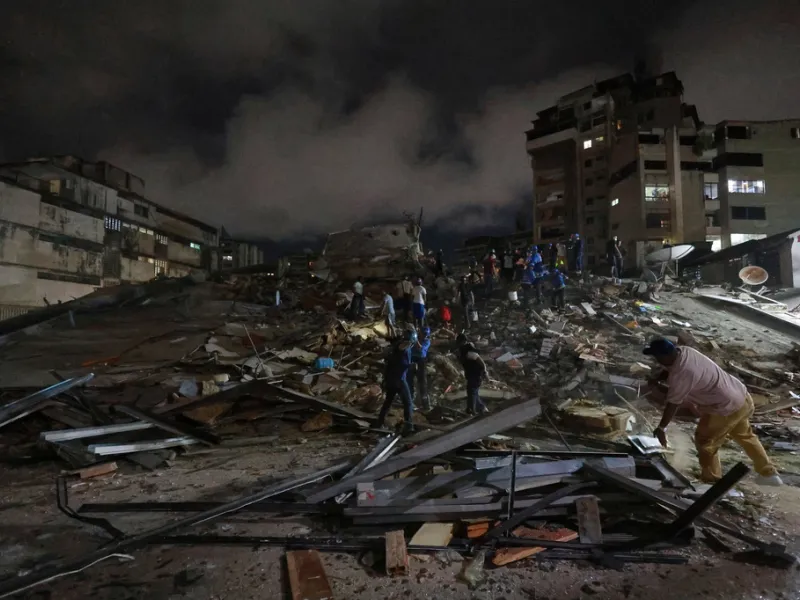
For more details and all international developments, visit the "News" section of our application. Read about Trump's estimates regarding the deaths from the earthquakes in Venezuela, as well as his comments on Zelensky's endurance in the war.