Microbial resistance is a serious challenge for Greece
Published
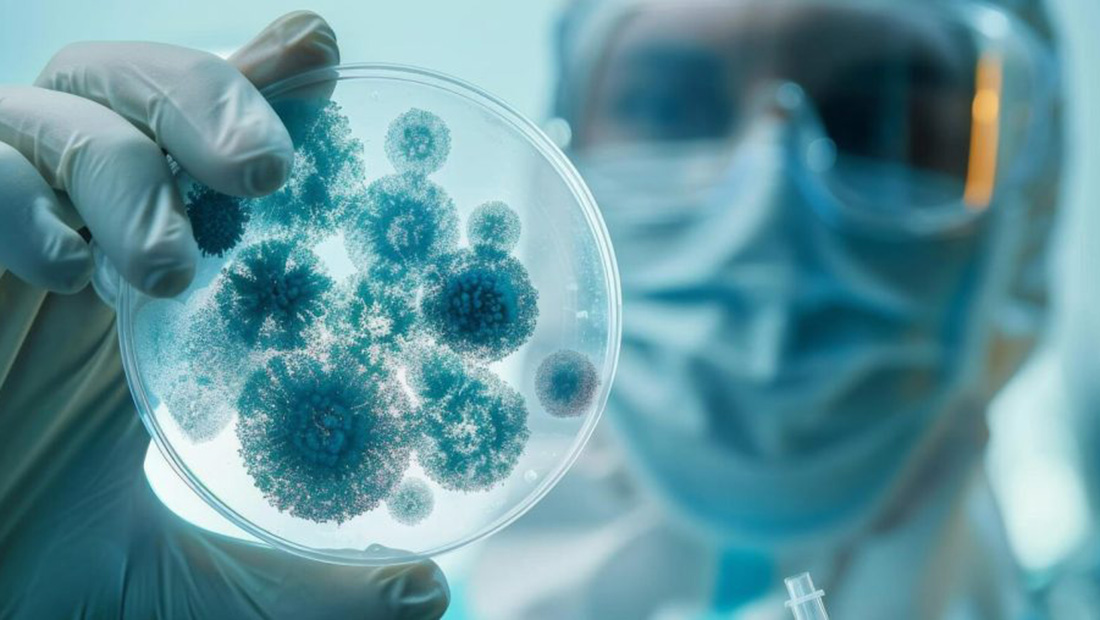
Greece records about four times higher incidence of bloodstream infections caused by the bacterium Klebsiella pneumoniae, which is resistant to carbapenems. These are powerful antibiotics, usually used when other medicines are not effective. The comparison is made with the average of other countries, according to the report.
Bacteremia is the presence of bacteria in the blood. It can be a serious condition and often requires hospital treatment and strong antibiotics. When the bacterium is resistant, treatment becomes more difficult, because few drugs can fight it.
Microbial resistance means that bacteria develop ways to survive after antibiotics are used. This happens over time and can lead to infections that are hard to treat. The issue affects public health across Europe, but the data for Greece show that the problem is especially serious in the country.
The report, titled "Greece has no time to lose", stresses the need for immediate action. The data show that microbial resistance remains a major challenge for the health system and for citizens.
Sources: Health Daily
More Greece news
- Matina Pagoni proposes influenza A vaccination for children
- Apple TV with 50% off for six months of subscription in Greece
- Record Greek participation at Space Tech Expo Europe 2026
- No news from the agency is available today
- Turkish newspaper Sozcu reports that Greece is starting surveys in the "Blue Homeland"
- Samaras in new TikTok video: "I see you as a father"
- Investment of over €300 million for data centres in Paiania
- Antimicrobial resistance: Warning signal for Greece